
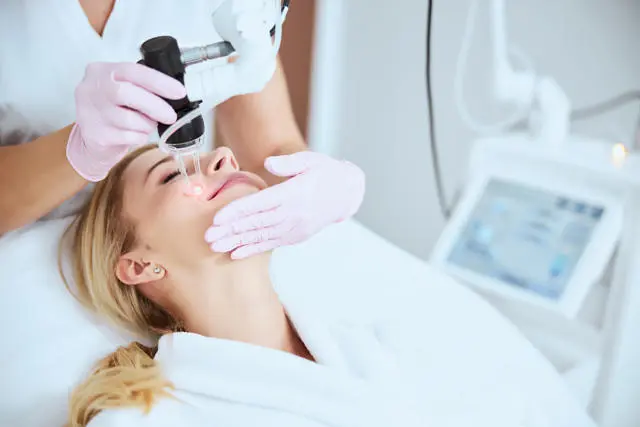
Understanding Laser Treatment Options
Not all laser treatments are created equal, and understanding the different types can help you assess safety for your specific situation. Lasers work by delivering concentrated light energy to the skin, removing damaged outer layers and stimulating collagen production beneath the surface.
There are two main categories: ablative lasers, which remove the outer layers of the skin, and non-ablative lasers, which work beneath the surface without removing the outer layers. Ablative treatments typically provide more dramatic results but require longer recovery times and carry slightly higher risks of complications. Non-ablative options are gentler with fewer side effects but may require multiple sessions to achieve desired results.
The intensity of treatment can also be adjusted based on your concerns. Light treatments address mild issues, such as fine lines and uneven texture, while deeper treatments address more significant problems, such as deep wrinkles, severe sun damage, and acne scars.
CO2 Laser Resurfacing and Safety Considerations
CO2 laser resurfacing represents one of the most powerful ablative options available and has earned its reputation through decades of proven results. This laser removes thin layers of skin with minimal damage to surrounding tissue, making it highly effective for treating deep wrinkles, scars, and age spots.
While CO2 lasers deliver impressive outcomes, they do require careful consideration of safety factors. The procedure involves controlled skin injury, which means recovery takes longer than with gentler alternatives. Patients typically experience redness, swelling, and peeling for one to two weeks following treatment.
The Benefits of ADVATx Laser
ADVATx is a non-ablative laser known for its gentleness and versatility, offering benefits such as reducing redness, improving acne-related discoloration, and smoothing overall skin tone. One of its key strengths is safety: it uses wavelengths designed to target skin concerns without damaging surrounding tissue, and most people experience minimal downtime. While it can be an effective option, it’s still a medical treatment – so anyone considering it, especially if you’re under 18, should consult a qualified provider to make sure it’s appropriate for your skin and health needs.
Ablative Laser Resurfacing: What You Need to Know
Ablative laser resurfacing uses various types of lasers to remove the outer layer of skin, revealing younger-looking skin beneath. Beyond CO2 lasers, erbium YAG lasers also fall into this category and offer a gentler alternative with faster healing times.
The primary safety concern with ablative procedures is the risk of infection during the healing period. When the protective outer layer of skin is removed, the exposed tissue becomes vulnerable to bacteria and viruses. Following strict post-treatment care instructions, including keeping the area clean and properly moisturized, significantly reduces this risk.
Prolonged redness is another consideration. While most redness resolves within a few weeks, some patients experience persistent pinkness for several months. This is typically not harmful but can be cosmetically concerning for some individuals.
Comparing Safety to Other Cosmetic Surgery Procedures
When compared with other cosmetic surgery procedures, laser resurfacing generally has a favorable safety profile. Unlike surgical facelifts or brow lifts, laser treatments do not require general anesthesia, large incisions, or extensive tissue manipulation, which reduces the risk of serious complications.
Chemical peels offer similar benefits to laser resurfacing but can be less predictable in terms of treatment depth and results. Lasers provide more precise control, allowing doctors to target specific depths and areas with greater accuracy.
Injectable treatments like Botox and dermal fillers have different risk profiles entirely. While these procedures involve minimal downtime, they carry risks, such as allergic reactions, asymmetry, and, in rare cases, vascular complications. Laser resurfacing, by contrast, works with your body’s natural healing processes rather than introducing foreign substances.
Microneedling is another alternative that’s generally very safe but typically produces more subtle results than laser resurfacing. For patients seeking significant improvement in skin texture and tone, lasers often provide superior outcomes, justifying the slightly increased recovery time.
Safety Concerns for Darker Skin Tones
People with darker skin tones face unique considerations when it comes to laser resurfacing safety. Melanin, the pigment that gives skin its color, absorbs laser energy, which can potentially lead to complications if the treatment isn’t properly calibrated.
The main risk for individuals with darker complexions is pigmentation changes. The skin may become either lighter (hypopigmentation) or darker (hyperpigmentation) in treated areas. These changes can sometimes be permanent, making careful treatment planning essential.
However, this doesn’t mean laser resurfacing is off-limits for people with darker skin. Certain laser types, particularly erbium lasers and non-ablative options, can be safely used on deeper skin tones when operated by experienced practitioners. Fractional lasers have also proven safer for diverse skin types because they minimize heat damage to surrounding tissue.
Understanding Post-Inflammatory Hyperpigmentation Risk
Post-inflammatory hyperpigmentation represents one of the most common complications following laser resurfacing, particularly for people with medium to dark skin tones. This condition occurs when inflammation from the procedure triggers excess melanin production, resulting in dark patches or spots.
The risk of developing post-inflammatory hyperpigmentation increases with deeper, more aggressive treatments and improper aftercare. Sun exposure, picking at healing skin, and failing to follow your doctor’s instructions all elevate this risk.
Fortunately, several strategies can minimize the likelihood of hyperpigmentation. Many doctors recommend pre-treatment with topical agents like hydroquinone, tretinoin, or kojic acid to stabilize melanocytes and reduce pigment production. Starting these medications several weeks before your procedure can significantly lower complication rates.
Post-treatment care is equally important. Strict sun avoidance, gentle skincare products, and continuation of prescribed topical medications help prevent pigmentation issues. If hyperpigmentation does occur, it’s usually treatable with topical lightening agents, chemical peels, or additional laser treatments specifically targeting pigment.
Maximizing Safety with Proper Cosmetic Treatments
Ensuring the safety of your laser resurfacing experience extends beyond the procedure itself. The entire journey, from initial consultation through final healing, requires attention and care.
Choosing the right provider is your most important safety decision. Certified professionals have extensive training in skin anatomy, laser physics, and complication management. Don’t hesitate to ask about your provider’s experience, particularly with your specific skin type and concerns.
Being honest during your consultation protects your safety. Disclose all medications, supplements, and health conditions, even if they seem unrelated. Certain medications increase photosensitivity or affect healing, while conditions such as autoimmune disorders may affect outcomes.
Following pre-treatment instructions precisely sets you up for success. Your doctor may ask you to stop certain skincare products, avoid sun exposure, or discontinue specific medications. These aren’t suggestions but critical safety measures.
Post-treatment compliance is equally vital. Use prescribed ointments as directed, avoid makeup until cleared by your doctor, and resist the urge to pick at peeling skin. Most complications arise from improper aftercare rather than the procedure itself.
The Bottom Line
So, is laser skin resurfacing safe? The evidence overwhelmingly supports that this laser procedure is a safe and effective treatment when performed by qualified professionals who understand the nuances of different skin types and conditions. Whether you’re considering erbium laser resurfacing, which uses short-pulsed light energy for gentler treatments, or more intensive options that employ continuous light beams, the technology has advanced significantly to minimize risks while maximizing results.
Modern laser surgery techniques, including alternatives like intense pulsed light, have made facial rejuvenation more accessible than ever. The laser peel process works by removing damaged skin tissue to reveal rejuvenated skin beneath, stimulating new skin cells to replace the treated area. As the treated skin heals, you’ll notice improvements in texture, tone, and overall appearance, with new skin emerging that looks fresher and more youthful.
Proper aftercare ensures the best safety outcomes. This includes gentle cleansing with a diluted vinegar solution, if recommended by your provider; protecting healing skin from sun exposure; and waiting to apply oil-free makeup until your doctor approves. Some patients may benefit from pre-treatment with glycolic acid or other preparatory products to optimize their skin’s response to treatment.
It’s worth noting that certain characteristics may affect your candidacy or results. People with blonde or red hair often have lighter, more sun-sensitive skin that requires adjusted treatment parameters. Those dealing with skin discoloration or sagging skin may need customized approaches to achieve their desired outcomes safely.
The key to a positive, safe experience lies in realistic expectations, careful provider selection, and diligent adherence to pre- and post-treatment protocols. While risks exist, they’re manageable and relatively uncommon with proper precautions. For most people seeking significant improvement in skin texture, tone, and appearance, the benefits of laser resurfacing far outweigh the risks, making it a worthwhile investment in your skin’s health and your confidence.

About the Author
Pat S. Hamalis, Medspa Manager
About the Author
LuxeSkin Med Spa
LuxeSkin Med Spa was created for individuals who appreciate luxury, precision, and highly personalized care. Our boutique space offers a discreet, high-end environment with private parking for convenience, ensuring that every visit is stress-free, comfortable, and tailored to your needs.
Begins Here
November 30, 2025