
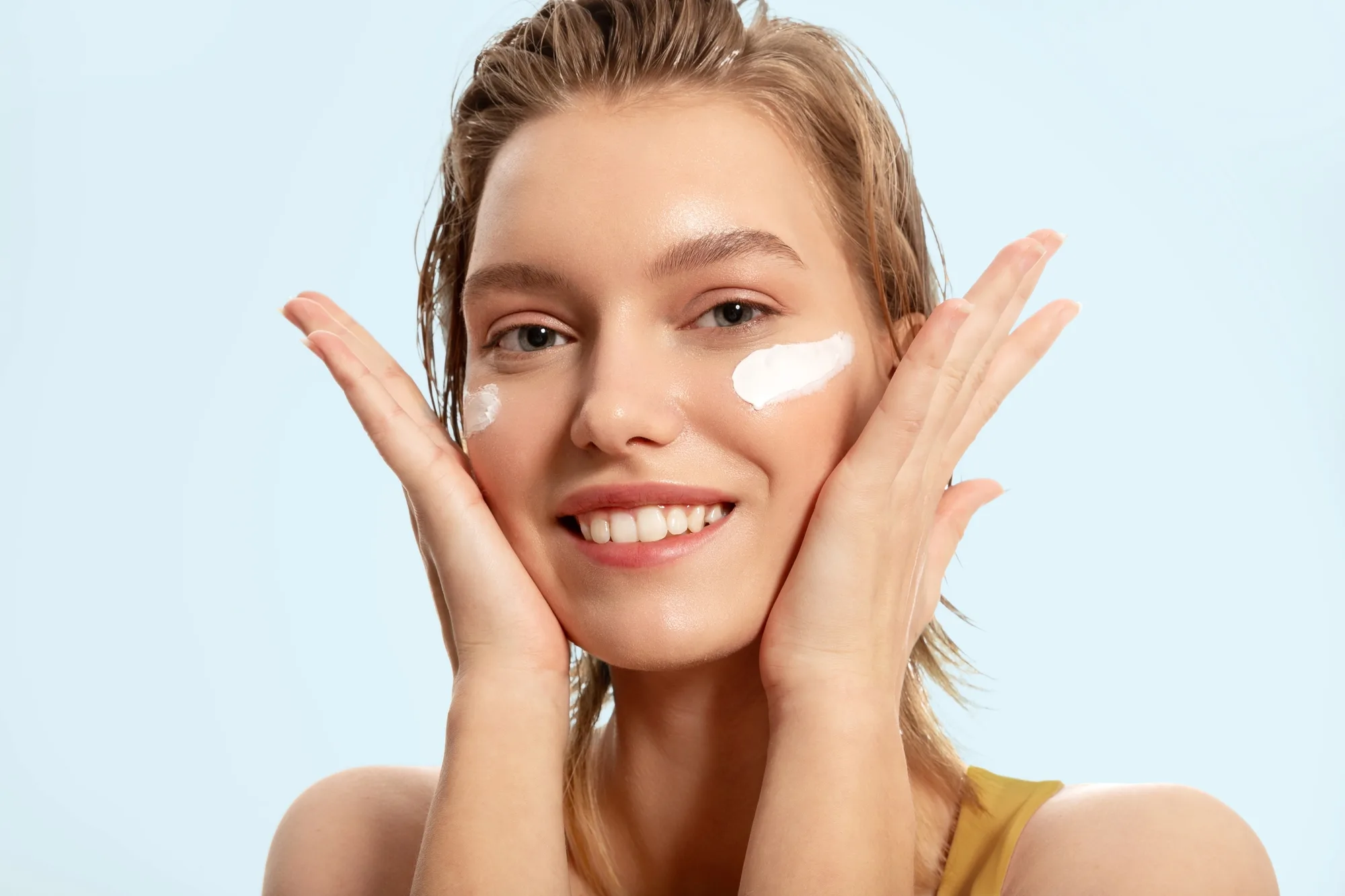
Why Aftercare Matters for Laser Skin Resurfacing
Aftercare isn’t just “extra” – it’s a key part of your result. Laser skin resurfacing triggers controlled renewal. The way you care for your skin afterward can influence comfort, how evenly you heal, and how soon you feel confident returning to your routine.
How Healing Affects Your Skin’s Final Results
As your skin heals, it’s doing several things at once:
Replacing older surface cells with new ones
Rebalancing moisture levels and strengthening the skin barrier
Gradually improving overall texture and tone as recovery continues
Because the skin is temporarily more reactive, the products you apply and the things you avoid matter. Your goal is simple: protect the healing skin, keep it comfortably moisturized, and prevent irritation.
The Importance of Proper Aftercare
Proper aftercare helps:
Minimize excess dryness and discomfort during peeling
Reduce the chance of prolonged redness from unnecessary irritation
Support a smoother-looking, more even finish as the skin renews
At LuxeSkin Med Spa, your plan is always tailored during your consultation, since resurfacing intensity and downtime can vary from person to person.
The Laser Skin Resurfacing Healing Process: Timeline & Phases
Healing timelines vary by laser resurfacing type, your skin’s sensitivity, and the aggressiveness of the treatment. Still, most patients move through similar phases.
Immediate Effects: What Happens Right After Treatment
Right after laser skin resurfacing, the skin typically looks and feels like a strong sunburn. This is expected: heat and controlled injury stimulate turnover and renewal.
The First 24 Hours: Redness, Warmth, and Swelling
Common experiences on the first day include:
Redness (often bright or pink)
Warmth and a “hot” feeling that comes and goes
Mild to moderate swelling, especially around the eyes
Skin that feels tender, tight, or prickly
Plan for a low-key day. If your provider gave specific post-care instructions (for example, what to cleanse with and when), follow those precisely.
Early Healing Phase (Days 1–3)
This is often when skin feels most uncomfortable – dryness and tightness can peak as your skin begins shedding.
Skin Sensitivity, Tightness, and Redness
During days 1–3, you may notice:
Increased dryness and tightness
Persistent pink/red tone
Sensitivity to heat (hot showers, steam, workouts)
Skin that feels “paper-like” or stiff when you talk or smile
This is the phase where consistent moisturizing and gentle cleansing make a noticeable difference in comfort.
What Peeling and Flaking Look Like
Peeling can show up as:
Fine flakes around the mouth and nose
Larger sheets of peeling in areas that were treated more intensively
A mix of dry patches and smoother spots as new skin appears unevenly
Try not to compare your peeling to someone else’s. Even on the same person, different facial zones often peel at different rates.
Mid-Healing Phase (Days 4–7)
This is the “turning point” for many patients: visible peeling often becomes more noticeable, then starts to resolve.
Skin Renewal and Changes in Texture
What you may see and feel:
Peeling and flaking gradually taper off
Fresh new skin looks pink and feels delicate
Texture may feel smoother in some areas, slightly rough in others
Skin can look shiny or “tight” due to temporary barrier changes
Even if your skin looks improved already, it’s still healing. This is not the time to “test” strong actives or exfoliation.
Late Healing Phase (Weeks 2–4)
This stage tends to feel more normal day-to-day. You may still see some lingering pinkness, especially after washing your face or being in warm environments.
When Redness Fades, and Skin Tone Evens Out
In weeks 2–4:
Redness typically continues to fade
Tone looks more even as surface healing stabilizes
Makeup (if approved by your provider) tends to apply more smoothly
Skin may feel more comfortable with fewer tight/dry episodes
Some patients still notice sensitivity to sun and heat – this is why daily sunscreen and protective habits remain essential.
Returning to Normal Routines
By this phase, many people can ease back into:
Regular work and social schedules
Gentle exercise (as tolerated and as advised)
A simplified skincare routine – then gradual reintroduction of other products per provider guidance
When in doubt, keep it simple. A calm routine beats an aggressive one while your skin is still balancing.
Long-Term Healing and Skin Improvement (4+ Weeks)
Laser skin resurfacing results can continue to evolve. Even after peeling stops, the skin can keep improving as it rebuilds.
Collagen Rebuilding and Lasting Results
At 4+ weeks, many patients notice:
More consistent smoothness and refined texture
A brighter look to the skin
Ongoing improvements that feel gradual rather than overnight
This is also when patients often start thinking about maintaining results with a broader skincare plan or complementary treatments discussed during consultation.
Laser Skin Resurfacing Recovery Timeline: What’s Normal?
A key part of laser skin resurfacing aftercare is knowing what’s common – so you don’t panic over normal healing signs or, on the flip side, ignore something that needs attention.
Common Healing Signs to Expect
Many patients experience some combination of:
Redness/pinkness that slowly fades
Swelling early on (often most noticeable in the first couple of days)
Dryness, tightness, and itching as peeling begins
Flaking/peeling that can look patchy
Temporary texture changes while new skin emerges
Because laser skin resurfacing can vary in intensity, your “normal” should be defined by your provider’s post-care plan and what they told you to expect.
When to Contact Your Provider
Reach out to your provider if you’re unsure whether what you’re experiencing is expected for your specific treatment plan, or if symptoms feel like they’re worsening instead of improving. At LuxeSkin Med Spa, your consultation is the right time to ask what warning signs to watch for and how to reach the office with questions during recovery.
Essential Aftercare Steps for a Smooth Recovery
The fundamentals of aftercare are consistent across many resurfacing approaches: be gentle, protect the barrier, and avoid triggers that prolong redness or irritation.
1. Cleansing and Moisturizing Tips
Supportive habits typically include:
Cleanse gently using lukewarm water and a mild cleanser (avoid scrubs or textured cleansing tools).
Pat dry – don’t rub. Rubbing can pull at peeling skin and irritate fragile areas.
Moisturize consistently to reduce tightness and support comfort.
If your provider recommended a specific moisturizing approach, follow that plan instead of experimenting with new products.
2. Sun Protection and Lifestyle Precautions
Sun protection is non-negotiable during healing. Freshly resurfaced skin is more vulnerable to visible redness and uneven tone when exposed to UV and heat.
Lifestyle precautions often include:
Daily sunscreen and reapplication when outdoors
Avoid direct sun and seek shade when possible
Skip tanning entirely while healing
Avoid heat triggers early on (hot yoga, saunas, steam rooms, very hot showers)
Keep workouts moderate if swelling or flushing worsens with exercise
If you’re prone to outdoor exposure for work or hobbies, plan ahead with protective clothing and timing.
3. Managing Peeling, Flaking, and Redness
Peeling is part of the process – your job is to let it happen naturally.
Do not pick or pull peeling skin. This can prolong redness and cause uneven healing.
Moisturize more often if your provider approves it – dryness is what makes peeling feel “tempting” to remove.
Avoid exfoliants (physical or chemical) until your provider says it’s safe.
If itching occurs, it’s often a sign of dryness and repair. Keeping skin comfortably moisturized can help.
4. Camouflaging Pink or Red Skin (If Desired)
Many patients want to know when they can cover residual pinkness. The answer depends on how quickly your skin barrier recovers and what your provider recommends.
General guidance:
Wait until your provider confirms it’s okay to apply makeup.
When approved, choose lightweight, non-irritating products and apply with clean hands or clean tools.
Remove makeup gently – no scrubbing.
If you’re also considering treatments that support glow and hydration over time, you can explore options like HydraFacial (timing should be determined by your provider based on healing).
5. Personalized Treatment Plans and Follow-Up Care
The most effective aftercare is personalized. During a consultation at LuxeSkin Med Spa, your provider can review:
Your skin type and sensitivity
Your typical redness response
Your at-home routine and which products to pause
When to safely resume activities and skincare steps
A consultation is also required to receive a treatment plan and cost information.
Tips for an Easier Recovery
You’re likely looking for practical, day-to-day ways to feel more comfortable while healing.
Setting Yourself Up for Success Before Treatment
A smoother recovery often starts with preparation:
Clear your schedule for a few days so you’re not rushing or overheating.
Keep your routine simple – avoid starting new active ingredients right before treatment unless your provider directs otherwise.
Stock up on the basics you’ll want at home (a gentle cleanser and a moisturizer recommended by your provider).
Plan to minimize sun exposure immediately after treatment.
If you’re in the planning stage, a facial consult can help align expectations with the right resurfacing approach.
Day-by-Day Recovery Tips
Simple habits that often help during the first week:
Sleep in a slightly elevated position if swelling is noticeable.
Use lukewarm water only; heat can increase flushing.
Keep your hands off your face, especially during the peak peeling days.
Be consistent rather than intense: gentle cleansing + steady moisturizing + sun protection.
Also consider your environment: indoor heat, dry air, and frequent temperature changes can make skin feel tighter.
When Most Patients Notice Smoother, Brighter Skin
Many patients begin to see visible improvements once peeling has mostly finished (often around the end of week one), with continued refinement over the next several weeks as redness fades and skin tone looks more even. The key is patience – your skin’s early glow can appear before it’s fully stabilized.
Conclusion: Supporting Your Results After Laser Skin Resurfacing
Laser skin resurfacing aftercare comes down to understanding the normal healing timeline – redness and swelling early on, peeling through the first week, then gradual calming and refinement over the next several weeks. Keep skincare gentle, moisturize consistently, avoid picking, and stay diligent with sun protection to support a smoother-looking recovery and more even-looking results.

About the Author
Pat S. Hamalis, Medspa Manager
About the Author
LuxeSkin Med Spa
LuxeSkin Med Spa was created for individuals who appreciate luxury, precision, and highly personalized care. Our boutique space offers a discreet, high-end environment with private parking for convenience, ensuring that every visit is stress-free, comfortable, and tailored to your needs.
Begins Here
March 30, 2026