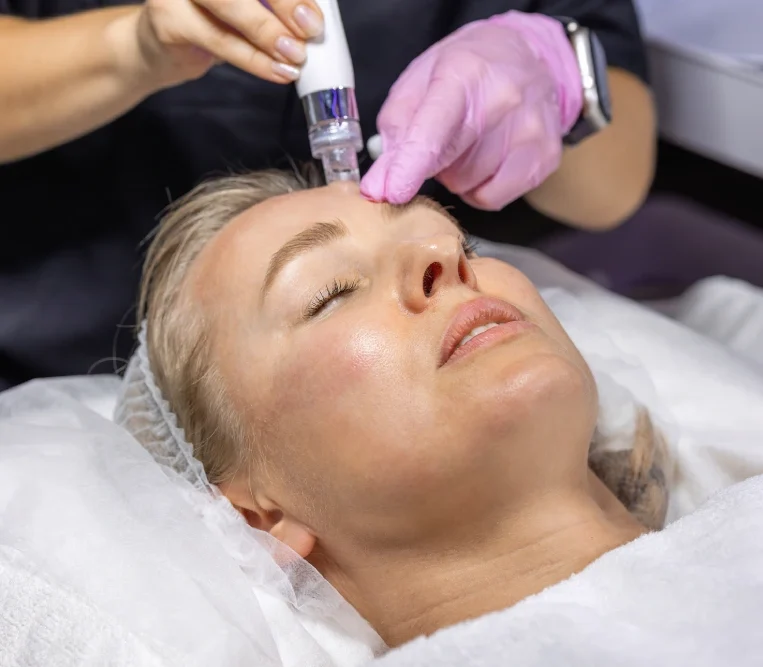
Microneedling and laser treatments both rebuild collagen and improve scars, wrinkles and texture, but they do so in different ways. Microneedling uses tiny needles to create controlled micro-injuries, working well for acne scars, enlarged pores and mild to moderate texture concerns with little downtime. Laser treatments use light energy and can target a wider range of issues, including sun damage, pigment and deeper wrinkles, with downtime that depends on the laser chosen. At LuxeSkin Med Spa in Naperville, we offer Microneedling, PRP microneedling, RF microneedling and a full lineup of lasers. That range lets us match each patient to the right tool rather than forcing one option to fit every skin concern.
This guide explains how each option works, what it treats and what recovery looks like. Both treatments rely on the same basic principle: create controlled injury so the skin repairs itself with fresh collagen and elastin. The difference lies in the tool, the depth and the type of concern each one handles well.
Microneedling is a collagen induction treatment. At our office, we use the SkinPen device to create thousands of tiny channels in the skin. We also offer PRP microneedling, which adds platelet-rich plasma drawn from your own blood, and RF microneedling, which adds radiofrequency energy. You can learn more on our Microneedling.
The micro-channels signal the skin to start its natural healing response. During that repair, the body produces new collagen and elastin, which helps smooth texture, shrink the look of pores and soften scars. When we add PRP, the plasma seeps into these channels and reaches the dermis layer, where it supports the skin’s repair process.
Microneedling is a well-tolerated treatment for many skin types and tones. Because it does not rely on heat at the skin’s surface, it is often a good fit for patients with darker skin tones who want texture improvement. A consultation is a required step before microneedling at our office, so we can assess your skin and confirm the treatment suits your goals.
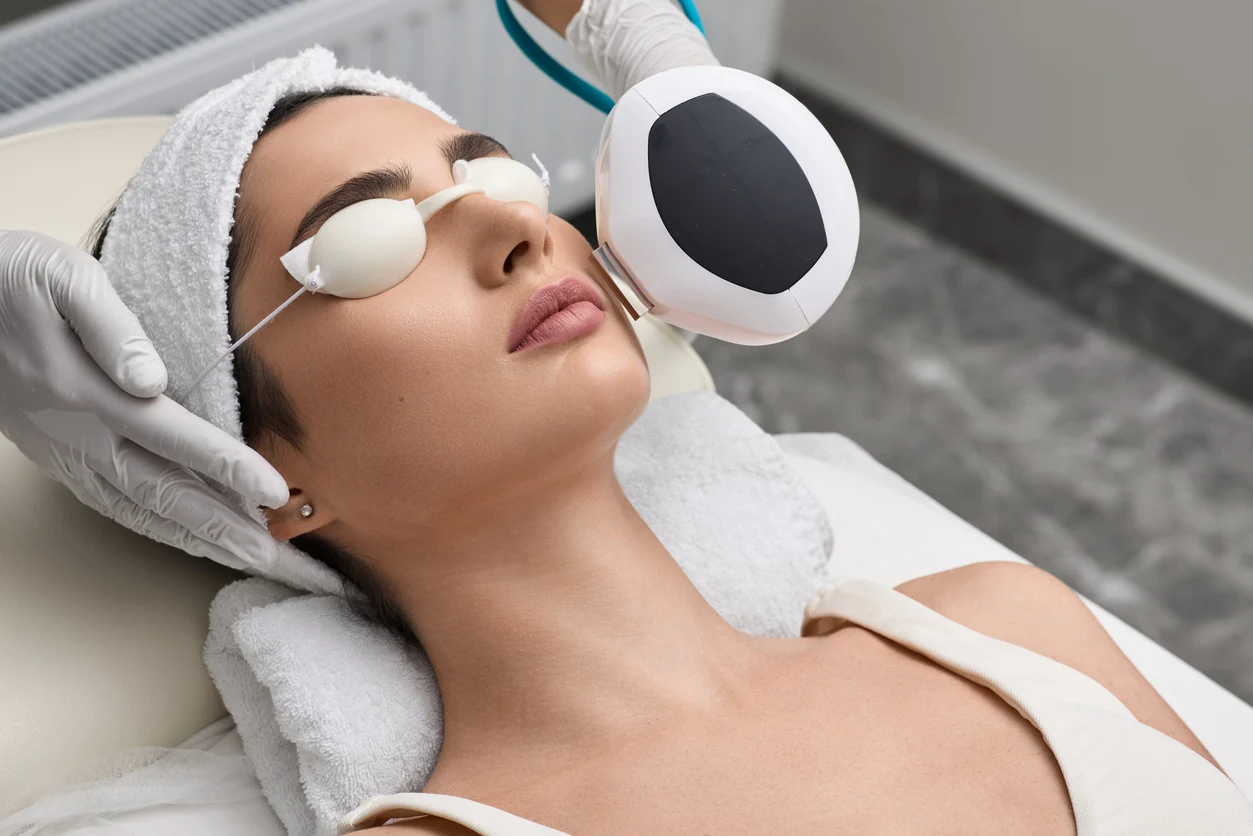
Laser skin resurfacing uses focused light energy to renew the skin. Our laser treatments include eCO2, BBL, Halo, MicroLaserPeel, ProFractional, LaseMD and AdvaTX. We also offer Attiva for laser skin tightening.
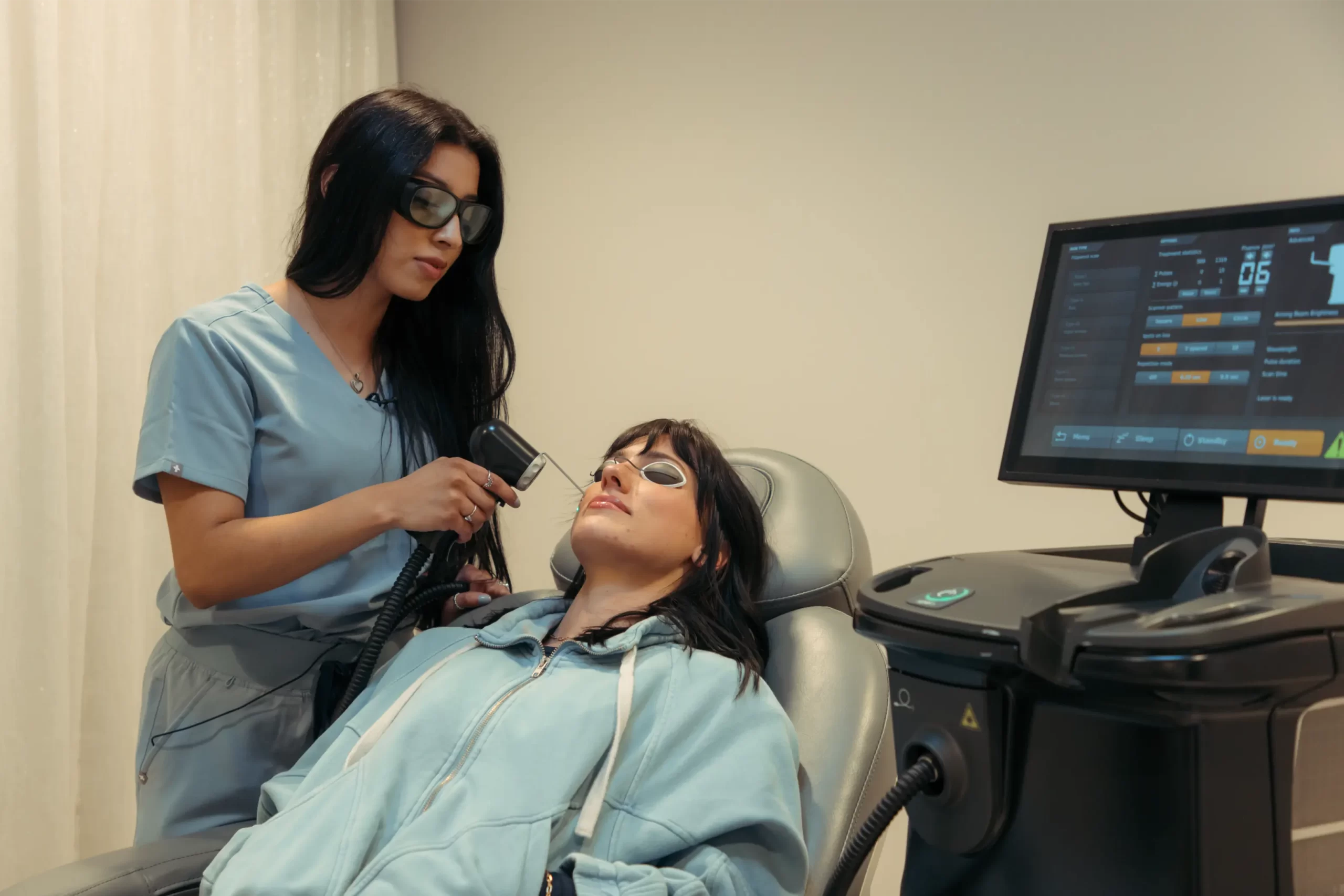
Lasers fall into two broad groups. Ablative lasers, such as MicroLaserPeel, remove thin layers of damaged skin and trigger deep remodeling. Non-ablative lasers, such as LaseMD, heat the tissue beneath the surface without removing the top layer. Fractional lasers, such as Halo and ProFractional, treat small columns of skin and leave surrounding tissue intact, which speeds healing. Light-based treatments such as BBL target pigment and redness.
Laser resurfacing is a well-established treatment when the right laser and settings match the patient’s skin. Skin tone, sun exposure and the depth of treatment all shape which laser fits. Some lasers suit lighter skin tones better, while others work across a wider range. Our team reviews your skin type and history before recommending a laser.
Method: Microneedling uses physical needles. Lasers use light energy.
Pigment: Lasers such as BBL directly target brown spots and redness. Standard microneedling has a smaller effect on pigment.
Downtime: Microneedling usually involves a few days of redness. Laser downtime ranges from almost none with gentle lasers to a week or more with deep ablative resurfacing.
Skin tone: Microneedling suits a broad range of skin tones. Laser selection depends more heavily on skin tone.
Depth: Deep ablative lasers can deliver more dramatic change in one session. Microneedling builds results gradually over a series.
Microneedling is a strong choice for acne scars, especially rolling and boxcar scars. The repeated collagen response gradually lifts depressed areas and smooths the skin’s surface.
Microneedling softens fine lines and early wrinkles by thickening the skin over time. It works well for patients who want gradual improvement without much downtime.
Every microneedling session restarts the skin’s repair cycle. Across a series, this builds firmer, smoother skin. Adding PRP or radiofrequency energy can boost that collagen response.
Fractional and ablative lasers resurface scarred skin and can produce noticeable change. We offer ProFractional treatments for acne scars and spot treatment, along with ProFractional for stretch marks on the body. BBL also has a scar setting for redness in healing scars.
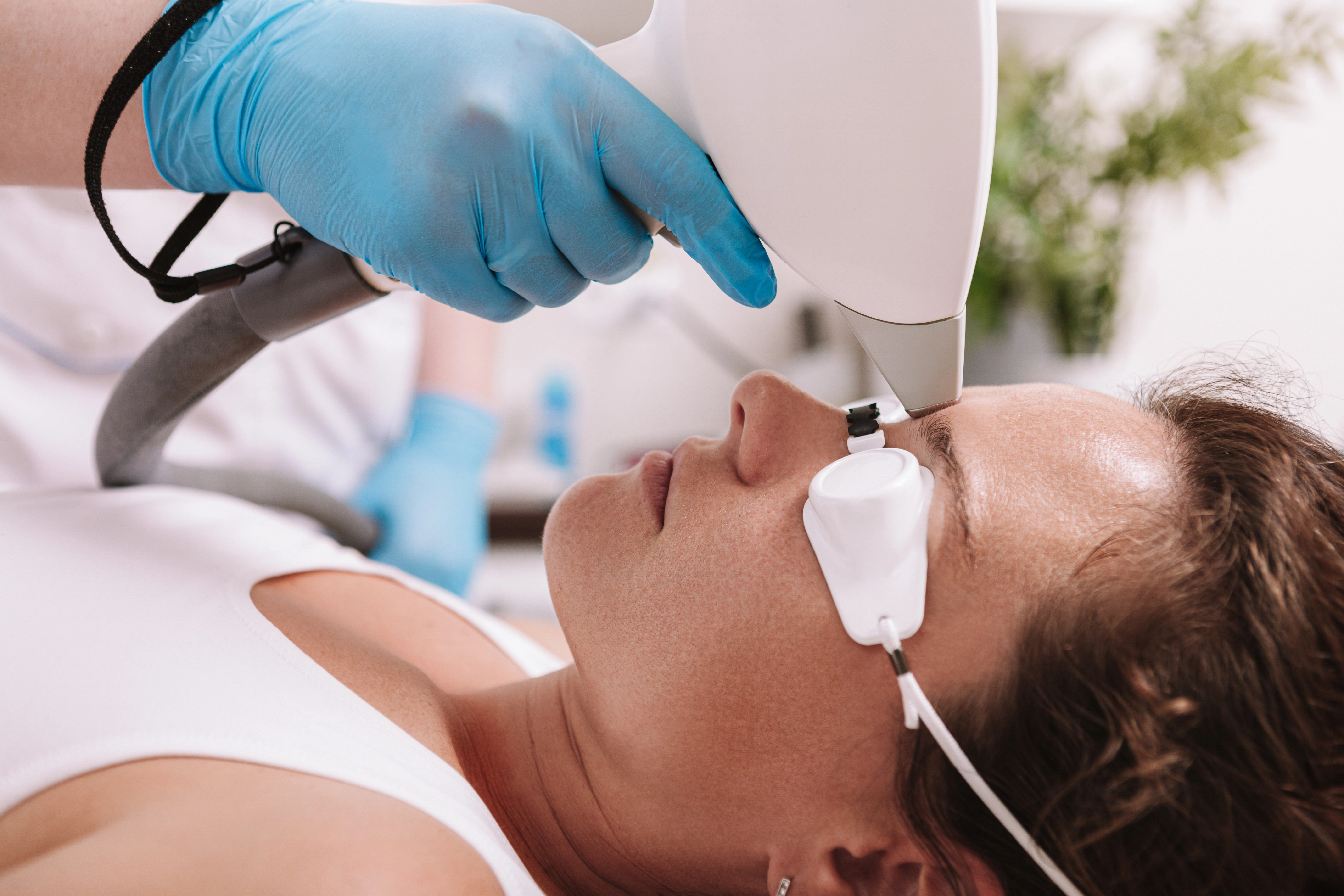
Lasers excel at deeper lines and sun damage. Our eCO2 treatments address the full face, neck and eye area. We also offer TRL Peri-oral Ablative Laser Resurfacing for lines around the mouth, an area that is often difficult to treat with other methods.
Laser energy heats the deeper layers of skin and triggers collagen remodeling. Attiva focuses on tightening, with options for the face, neck, jawline and body areas such as arms, knees and thighs.
RF microneedling combines needles with radiofrequency energy delivered deep into the skin. This pairing tightens skin and treats texture at the same time. It is a strong option for laxity, scars and enlarged pores. We offer it for the face, neck and chest, and for body areas such as the abdomen, thighs, upper arms and glutes.
Laser resurfacing tends to win when sun damage, pigment or surface wrinkles are the main concern. Neither option is better for every patient. The right choice depends on your primary concern and how much downtime you can manage.
RF microneedling often suits patients who want tightening and texture improvement, including those with darker skin tones. Laser resurfacing suits patients with sun spots, uneven tone, redness or deeper lines who can plan around recovery. Patients with active skin infections or certain medical conditions may need to wait. Your consultation is where we confirm candidacy.
Microneedling usually works as a series. Our microneedling packages include three or four sessions, which reflects how results build over time. Laser plans vary. Gentle lasers such as BBL or LaseMD often involve a series, while a deep ablative treatment such as eCO2 may deliver significant change in a single session.
Numbing is available for many treatments to keep you comfortable. After microneedling, skin typically looks and feels like a mild sunburn for one to three days. After non-ablative laser treatments, patients may notice redness, swelling or tiny dark spots that flake off within a week. Deeper ablative lasers require more recovery time, and we guide you through each stage of healing. Sun protection is essential after any of these treatments.
Collagen continues to build for several months after treatment, so results improve over time. With good sun protection and a solid skincare routine, results from both microneedling and laser treatments can last a long time. Many patients schedule maintenance sessions to keep up with natural aging.
Yes. Combining treatments often delivers more complete results because each one targets a different layer or concern. We offer pairings such as BBL with Face, BBL + MicroLaserPeel- Face, and BBL + Halo Full Face or BBL + LaseMD Full Face. BBL addresses pigment and redness, while the second treatment works on texture and firmness. We also pair microneedling with and Hydrafacial in our packages to support results between sessions.
Start with your main concern. If acne scars, pores or texture bother you most, microneedling or RF microneedling is often a good place to begin. If sun spots, redness or uneven tone are the focus, a light-based treatment such as BBL may fit. For deeper wrinkles or significant sun damage, laser resurfacing may give stronger results.
Next, think about downtime. Microneedling and gentle lasers fit busy schedules. Deeper resurfacing needs planned recovery time. Finally, consider your skin tone, since it affects which lasers are appropriate.
A facial consultation brings these factors together. We assess your skin, discuss your goals and build a plan that may include one treatment or a combination.
Microneedling builds collagen gradually with little downtime and works well for scars and texture. Lasers handle pigment, sun damage and deeper wrinkles, with recovery that depends on the laser. RF microneedling bridges the two with tightening and texture benefits. Many patients see the strongest results from a tailored combination, and our team in Naperville, IL can help you find the right fit.