Understanding Laser Resurfacing
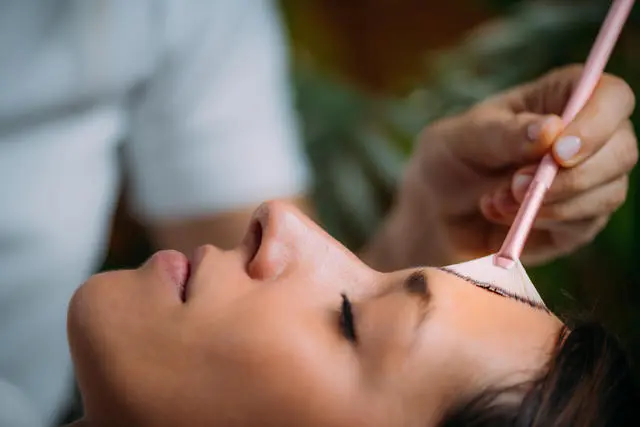
Laser resurfacing uses concentrated beams of light to remove damaged skin layers with remarkable precision. This treatment stimulates collagen production deep within the skin, promoting natural healing and regeneration. There are two main categories:
Ablative lasers, which remove the outer layer of skin entirely.
Non-ablative lasers, which work beneath the surface without damaging the top layer.
Ablative laser treatments like CO2 and erbium lasers deliver dramatic results for severe skin damage but require significant recovery time – often one to two weeks. Non-ablative options, including fractional lasers, offer gentler treatment with minimal downtime, though you may need multiple sessions to achieve your desired results. The technology allows dermatologists to customize depth and intensity, making laser treatments highly versatile for various skin concerns.
How Chemical Peels Work for Skin Rejuvenation
Chemical peels use specially formulated acid solutions to exfoliate the skin, removing dead cells and triggering the body’s natural healing response. These peels come in three depths:
Superficial (affecting only the outermost layer)
Medium (reaching the middle layers)
Deep (penetrating to the lower dermal layers).
The strength and type of acid used – whether glycolic, salicylic, trichloroacetic acid (TCA), or phenol – determine the peel’s depth and effectiveness.
Superficial peels require virtually no downtime and can be done during a lunch break, though results are subtle and temporary. Medium peels offer more noticeable improvements with about a week of recovery time. Deep peels provide the most dramatic transformation but involve significant downtime and are typically performed only once due to their intensity.
Treating Acne Scars: Which Option Works Better?
For those struggling with acne scars, the choice between treatments depends on the scar type and severity.
Laser resurfacing generally outperforms chemical peels for treating deep acne scars because lasers can precisely target different depths and stimulate collagen remodeling in the dermis. Fractional CO2 lasers are particularly effective for ice pick and boxcar scars, as they create controlled micro-injuries that prompt the skin to rebuild smoother tissue.
Chemical peels can improve shallow acne scars and overall skin texture, especially TCA peels at medium depth. They’re excellent for addressing post-inflammatory hyperpigmentation that often accompanies acne scarring. However, for more severe scarring, multiple peel sessions may be needed to achieve results comparable to a single laser treatment.
Best Treatments for Fine Lines and Wrinkles
Both laser treatments and chemical peels can effectively reduce fine lines, though they approach the problem differently.
Laser resurfacing excels at treating deeper wrinkles around the eyes, mouth, and forehead by tightening skin and boosting collagen production. The heat from laser energy contracts existing collagen fibers while stimulating new collagen growth, creating a lifting and smoothing effect that continues improving for months after treatment.
Chemical peels address fine lines by removing damaged surface layers and encouraging cell turnover. Medium to deep peels can significantly soften expression lines and sun-induced wrinkles. Superficial peels primarily improve skin texture and brightness but have minimal impact on established wrinkles. For pronounced lines and sagging, laser treatments generally deliver superior and longer-lasting results.
Considerations for Sensitive Skin
If you have sensitive skin, approaching either treatment requires extra caution.
Chemical peels may initially seem gentler because they use familiar skincare ingredients, but the acids can cause significant irritation, especially in medium- and deep-formulations. Those with rosacea, eczema, or highly reactive skin often tolerate superficial enzyme peels better than acid-based options.
Laser treatments for sensitive skin types have evolved considerably, with newer technologies offering adjustable settings to minimize irritation. Non-ablative fractional lasers are often well-tolerated by sensitive individuals because they preserve the skin’s protective barrier.
Your dermatologist can perform a test spot before full treatment to assess your skin’s reaction. Regardless of which treatment you choose, proper pre-treatment preparation and post-procedure care are essential for preventing complications in sensitive skin.
Chemical Peel or Laser: Treating Darker Skin Tones
Individuals with darker skin tones face unique considerations when choosing between these treatments. The primary concern is post-inflammatory hyperpigmentation (PIH), where treatment triggers excess melanin production, leaving dark spots that can persist for months. Historically, both lasers and chemical peels posed risks for darker complexions, but advances in technology have improved safety profiles.
For darker skin tones, certain laser types are safer than others:
Nd:YAG lasers (1064 nm wavelength) penetrate deeply without affecting melanin in the upper skin layers
Fractional lasers with longer wavelengths reduce PIH risk compared to traditional ablative lasers
Lower energy settings with multiple sessions minimize thermal damage
Chemical peels can be excellent for darker skin when properly selected. Salicylic acid and mandelic acid peels are generally safer than glycolic acid, which penetrates more aggressively. Jessner’s peels and lower-concentration TCA peels also show good safety records. Regardless of treatment choice, working with an experienced provider who specializes in treating diverse skin tones is crucial for preventing pigmentation complications.
Addressing Various Skin Concerns: A Comparative Look
Different skin concerns respond better to specific treatments. For sun damage and age spots, both options work well, though chemical peels excel at treating widespread facial pigmentation issues. Laser treatments better target isolated dark spots with pinpoint accuracy.
When addressing texture problems like rough, uneven skin, laser resurfacing creates more dramatic smoothing effects. For enlarged pores, both treatments can help, but laser therapy typically provides longer-lasting pore tightening. If your primary goal is overall brightness and glow, superficial chemical peels deliver impressive results with minimal commitment.
For comprehensive skin rejuvenation addressing multiple issues simultaneously – wrinkles, texture, pigmentation, and tone – ablative laser treatments offer the most transformative single-session results. However, this comes with significant recovery time and cost.
Cost, Downtime, and Long-Term Results
Budget considerations often influence treatment decisions. Chemical peels generally cost less per session, ranging from $150 for superficial peels to $3,000 for deep phenol peels. Laser treatments typically cost $1,000 to $5,000 per session, depending on the laser type and treatment area. However, you may need multiple peel sessions to match the results of a single laser treatment, potentially equalizing overall costs.
Downtime varies significantly:
Superficial peels: 1-3 days of mild flaking
Medium peels: 7-14 days of peeling and redness
Deep peels: 14-21 days with significant swelling and crusting
Non-ablative lasers: 1-3 days of mild redness
Ablative lasers: 7-14 days of healing
Long-term results favor laser treatments for durability. A single ablative laser session can produce improvements lasting 3-5 years with proper skincare and sun protection. Chemical peel results are more temporary, with superficial peels requiring maintenance every 4-6 weeks and medium peels every 6-12 months to sustain benefits.
Schedule Your Laser Treatments at LuxeSkin MedSpa
At LuxeSkin MedSpa, our experienced aesthetic professionals specialize in both chemical peels and laser skin resurfacing treatments tailored to your unique needs. Whether you’re dealing with uneven skin tones, stubborn pigmentation, or signs of aging, we offer comprehensive solutions ranging from light chemical peels for gentle exfoliation to deeper chemical peels that penetrate the deeper skin layers for more dramatic transformation. Our state-of-the-art laser technologies work alongside our carefully selected chemical peel formulations to help you achieve rejuvenated skin that radiates confidence. We prioritize healthy skin above all else, which is why every treatment begins with a thorough consultation to ensure we recommend the safest and most effective approach for your skin type and concerns.
Ready to reveal your best skin? Contact LuxeSkin MedSpa today to schedule your personalized consultation and discover which treatment will help you achieve the glowing, youthful complexion you’ve been dreaming of.
Conclusion
The debate of laser skin resurfacing vs chemical peels ultimately comes down to understanding how each treatment addresses your specific needs and works with your skin’s biology. Both approaches effectively remove dead skin cells to reveal the smoother skin beneath, though they accomplish this through different mechanisms – lasers use concentrated light energy to target the deeper layers, while a chemical solution dissolves bonds between damaged cells. Light peels offer accessible entry points for those new to professional skincare treatments, while more intensive options reach the deeper skin concerns that cause visible aging. Laser treatments excel at promoting collagen production and addressing issues like sagging skin through thermal stimulation, while chemical peels provide excellent results for uneven skin texture and pigmentation irregularities.
Regardless of which path you choose, as your treated skin heals, you’ll discover renewed confidence in your complexion. The key to success lies in partnering with qualified professionals who can assess your unique situation and guide you toward the treatment that will deliver the transformation you’re seeking.

About the Author
Pat S. Hamalis, Medspa Manager
About the Author
LuxeSkin Med Spa
LuxeSkin Med Spa was created for individuals who appreciate luxury, precision, and highly personalized care. Our boutique space offers a discreet, high-end environment with private parking for convenience, ensuring that every visit is stress-free, comfortable, and tailored to your needs.
Begins Here
January 30, 2026