Understanding Laser Resurfacing
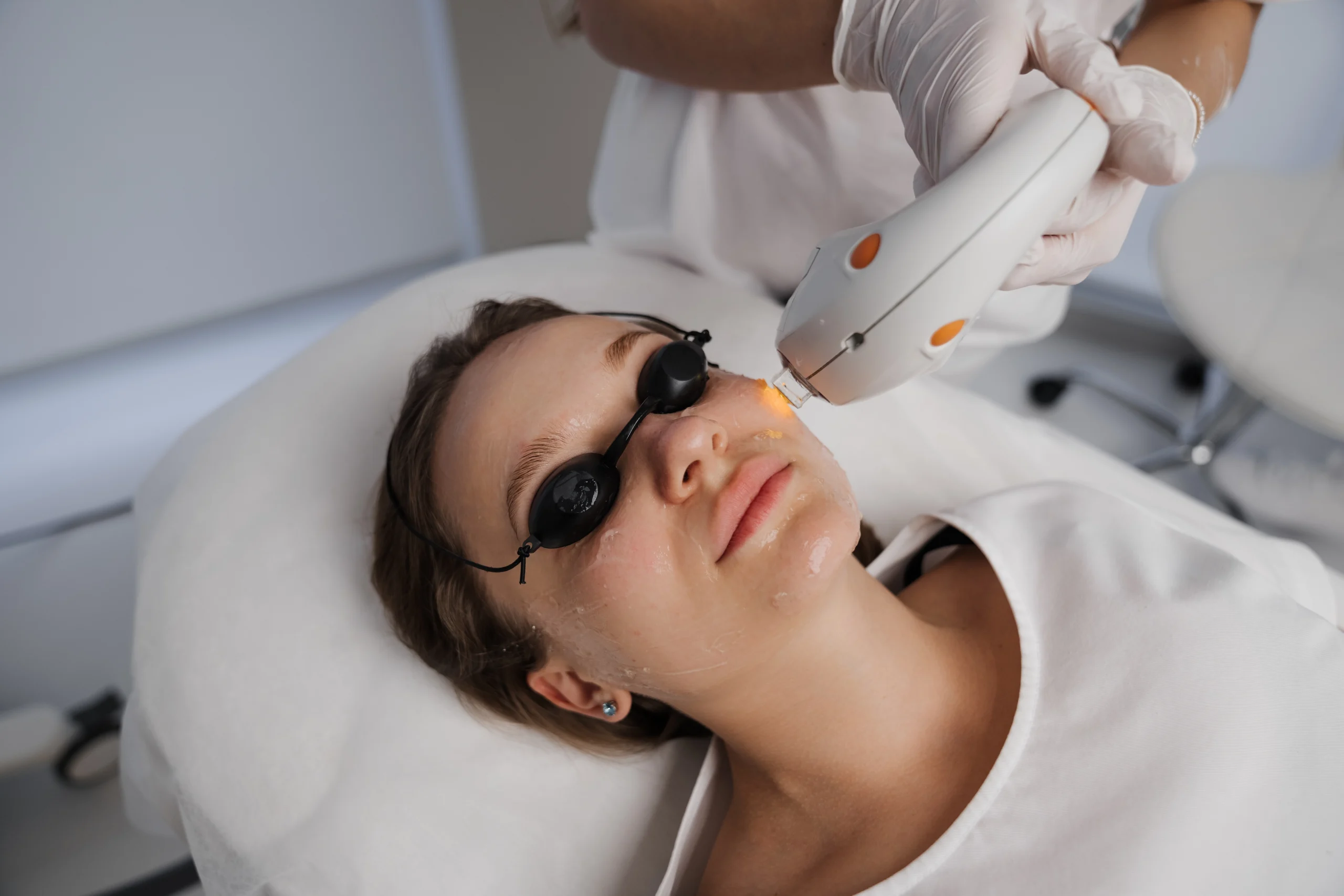
Laser resurfacing has become one of the most popular cosmetic procedures for improving skin appearance. This advanced treatment uses concentrated beams of light to remove damaged skin layer by layer, stimulating collagen production and revealing fresher, younger-looking skin underneath.
There are two main types of laser resurfacing: ablative and non-ablative.
Ablative lasers remove the outer layers of skin and are more intense.
Non-ablative lasers work beneath the skin’s surface without removing layers.
The procedure can address multiple skin issues simultaneously, making it an efficient solution for those dealing with various signs of aging or skin damage. Results can be dramatic, with many patients experiencing significant improvements in skin texture, tone, and overall appearance.
The Role of Laser Vaporization in Skin Rejuvenation
Who Makes a Good Candidate?
1. Individuals in Good Health
Your overall physical condition plays a crucial role in determining candidacy for laser resurfacing. Being in good health means you’re more likely to heal properly and achieve optimal results. Good candidates typically don’t have active infections, uncontrolled chronic conditions, or immune system disorders that could interfere with healing.
If you have a history of keloid scarring or poor wound healing, you may not be an ideal candidate, as laser resurfacing creates controlled wounds that need to heal properly. Additionally, if you’re currently taking medications that affect blood clotting or immune function, your doctor may advise waiting or choosing alternative treatments.
2. Specific Skin Concerns That Respond Well to Laser Therapy
Laser therapy excels at treating particular skin conditions. You’re likely a good candidate if you’re dealing with:
Fine lines and wrinkles, especially around the eyes and mouth
Age spots, sun spots, or other forms of hyperpigmentation
Acne scars or surgical scars
Uneven skin texture or tone
Enlarged pores
Skin laxity or mild sagging
However, laser resurfacing isn’t suitable for everyone. If you have very dark skin, certain types of lasers may cause pigmentation changes. Deep wrinkles, significant skin sagging, or active acne may require different treatments or a combination approach.
3. Realistic Expectations
What Makes Someone Not a Good Candidate?
Certain factors may disqualify you from laser resurfacing or require you to take preparatory steps before treatment:
Active skin conditions: If you have active acne, eczema, psoriasis, or rosacea in the treatment area, you’ll need to address these issues first.
Recent isotretinoin use: If you’ve taken Accutane (isotretinoin) within the past 6-12 months, you’ll need to wait, as this medication can impair healing.
Pregnancy or breastfeeding: It’s recommended to postpone laser treatments until after you’ve finished nursing.
Unrealistic expectations: If you expect laser resurfacing to completely erase deep wrinkles or dramatically change your facial structure, you may be disappointed with the results.
The Importance of Skin Type when Considering a Laser Peel
Your skin type significantly influences both the type of laser peel you can safely receive and your potential results. The Fitzpatrick scale, which classifies skin types from I (very fair) to VI (very dark), helps determine candidacy.
People with lighter skin types (I-III) generally respond well to most laser resurfacing treatments with minimal risk of pigmentation changes. Those with medium to darker skin tones (IV-VI) require extra caution, as certain lasers can cause hyperpigmentation or hypopigmentation. However, newer laser technologies have made treatment safer for darker skin tones, though you’ll need an experienced practitioner who specializes in treating diverse skin types.
If you have darker skin and are interested in laser resurfacing, don’t automatically assume you’re not a candidate. Consult with a board-certified dermatologist or plastic surgeon who has extensive experience treating your skin type.
Preparing for Your Consultation
When you meet with a provider to discuss laser resurfacing, come prepared with information about your medical history, current medications, and skin care routine. Be honest about your goals and concerns. A thorough consultation should include:
A detailed skin analysis
Discussion of your medical history
Review of before-and-after photos
Explanation of the specific laser type recommended for you
Discussion of potential risks and complications
Overview of the recovery process and timeline
Cost breakdown and number of treatments needed
Don’t hesitate to ask questions about the provider’s experience, credentials, and complication rates. A qualified practitioner will welcome your questions and provide clear, honest answers.
Schedule an Appointment at LuxeSkin MedSpa
At LuxeSkin MedSpa, our experienced team specializes in laser resurfacing treatments designed to treat wrinkles, moderately deep lines, enlarged oil glands, and areas of darker pigmentation. During your consultation, we’ll assess whether you’re a good candidate for this outpatient procedure, which typically takes one to two hours for a full-face treatment. Our state-of-the-art laser technology stimulates the production of new skin cells while precisely targeting problem areas. We perform treatments using local anesthesia or topical numbing to ensure your comfort throughout the process, and we’ll provide detailed aftercare instructions to prevent bacterial infections and promote optimal healing in the treated areas. While laser resurfacing delivers remarkable improvements, we believe in setting realistic expectations – our goal is healthy, rejuvenated skin, not perfect skin.
Contact LuxeSkin MedSpa today to discover how laser resurfacing can help you achieve your skin care goals and reveal a more youthful, radiant complexion.
The Bottom Line: Are You a Laser Skin Resurfacing Candidate?
As a highly effective procedure, laser resurfacing offers transformative results for those dealing with sun-damaged skin, skin scars, liver spots, and various signs of aging across the entire face. Whether you’re considering erbium laser resurfacing, fractional laser treatment, or intense pulsed light therapy, understanding how each technology works can help you make an informed decision. Erbium lasers use short-pulsed light energy to remove thin layers of skin with minimal heat damage, making them ideal for those concerned about recovery time. CO2 lasers employ continuous light beams for more intensive resurfacing, while fractional treatments are excellent for addressing stretch marks and sagging skin. Regardless of your skin color – whether you have brown skin or lighter tones – modern laser technologies can be adapted to your needs, though some cases of non-responsive skin may require alternative approaches or a combination with treatments like a bleaching agent for optimal results.
After your procedure, proper care is essential as your skin heals and the treated skin regenerates. Your provider will likely recommend applying a cool compress or wrapped ice pack to manage swelling during the first few days, along with maintaining a high sun protection factor to protect the healing tissue. If you have a history of cold sores, you may need antiviral medication before treatment to prevent outbreaks. The local anesthetic used during the procedure ensures comfort, and following post-treatment protocols will help you achieve the best possible outcome. Remember that laser resurfacing is a journey toward healthier, more radiant skin, and with proper care and realistic expectations, you can enjoy long-lasting improvements in your skin’s appearance and texture.
About the Author
Pat S. Hamalis, Medspa Manager
About the Author
LuxeSkin Med Spa
LuxeSkin Med Spa was created for individuals who appreciate luxury, precision, and highly personalized care. Our boutique space offers a discreet, high-end environment with private parking for convenience, ensuring that every visit is stress-free, comfortable, and tailored to your needs.
Begins Here
January 31, 2026