What Happens During Laser Skin Resurfacing Treatment
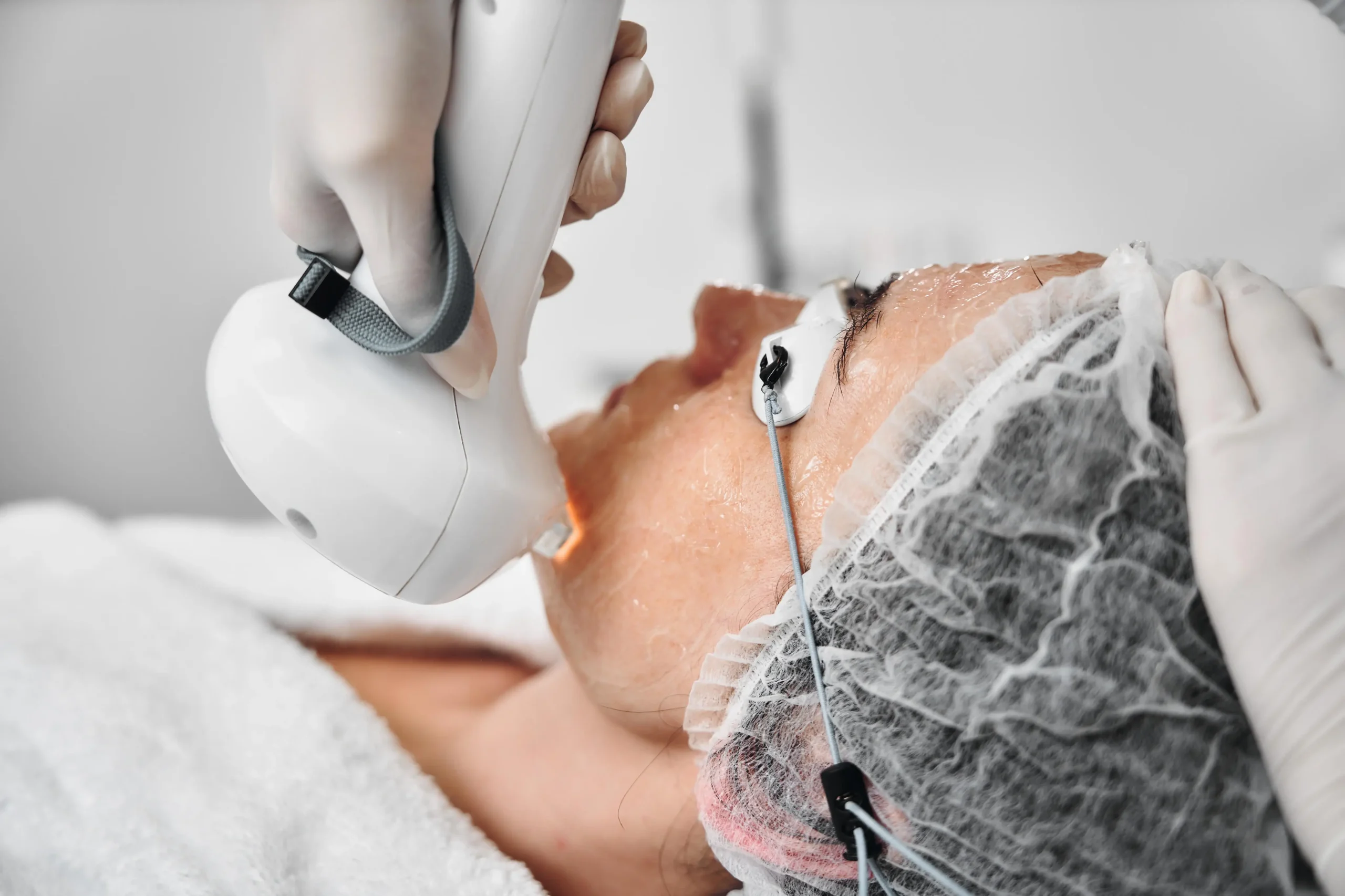
Laser skin resurfacing treatment works by delivering concentrated beams of light energy to targeted areas of your skin. The laser removes damaged outer layers while stimulating deeper tissue regeneration. This controlled injury triggers your body’s natural healing response, prompting the production of new, healthier skin cells and enhanced collagen production.
During the procedure, your dermatologist or cosmetic surgeon applies the laser in precise patterns across the treatment area. The intensity and depth of penetration vary based on your specific concerns and the type of laser selected. Most procedures take 30 minutes to two hours, depending on the size of the area being treated.
Local anesthesia, sedation, or topical numbing cream keeps you comfortable throughout the process. Your provider may treat your entire face or focus on specific problem areas, such as around the mouth, eyes, or forehead, where wrinkles and sun damage commonly appear.
Understanding Ablative Laser Treatments
Ablative laser treatments represent the most intensive form of laser resurfacing, removing the outer layer of skin (epidermis) while heating the underlying dermis. This approach delivers dramatic results for severe wrinkles, deep scars, and significant sun damage, but requires the longest recovery time.
The two primary types of ablative lasers are carbon dioxide (CO2) and erbium lasers. These treatments essentially create a controlled wound, which allows completely fresh skin to regenerate during the healing process. While the results can be transformative, patients must commit to a longer recovery period than with gentler alternatives.
Most people experience significant swelling, redness, and oozing in the first few days following ablative procedures. Your skin will feel raw and sensitive, similar to a severe sunburn. Proper aftercare during this crucial period determines both the speed of your recovery and the quality of your final results.
Timeline for Skin Rejuvenation Recovery
The recovery timeline follows predictable phases, though individual experiences vary based on treatment intensity and personal healing factors.
Days 1-3: Your skin will appear very red and swollen, feeling tight and uncomfortable. Oozing and crusting are normal as your skin begins forming a protective layer. Following your provider’s wound care instructions meticulously during this phase prevents infection and promotes optimal healing.
Days 4-7: Swelling begins subsiding, and the treated skin starts developing a bronze or brown appearance. You may notice peeling or flaking as new skin develops underneath. Resist the urge to pick or pull at peeling skin, as this can cause scarring.
Days 8-14: New pink skin emerges as the outer layers shed. The treated area remains sensitive and requires diligent sun protection. Most people can return to work and normal activities with makeup during this period, though visible pinkness persists.
Weeks 3-12: Pinkness gradually fades to match your normal skin tone. Your skin texture continues refining as collagen growth accelerates beneath the surface. Results become progressively more apparent during this phase.
Months 3-6: Final results emerge as collagen remodeling completes. Your skin achieves its improved texture, reduced wrinkles, and more even tone that will last for years with proper skincare and sun protection.
The Carbon Dioxide (CO2) Laser Advantage
The carbon dioxide (CO2) laser has long been considered the gold standard for treating deeper skin concerns. This powerful tool effectively addresses pronounced wrinkles, severe photodamage, scars, warts, and certain precancerous growths. The CO2 laser vaporizes damaged tissue layer by layer with extreme precision.
Modern fractional CO2 lasers have refined the traditional approach by treating only a fraction of the skin’s surface in a pixelated pattern. This innovation leaves surrounding tissue intact, which significantly accelerates healing compared to older CO2 laser resurfacing techniques that treated the entire surface area.
Despite these improvements, CO2 laser resurfacing still requires substantial downtime. Expect initial healing to take about two weeks, with residual redness persisting for several additional weeks or even months in some cases. However, the dramatic improvement in skin texture, tone, and overall appearance often makes the recovery period worthwhile for those seeking significant correction.
Factors That Influence Collagen Growth and Healing
Collagen growth represents the key mechanism behind laser resurfacing’s long-term benefits. This structural protein provides skin firmness, elasticity, and youthful appearance. The laser’s heat stimulates fibroblasts (cells that produce collagen) to increase production, gradually improving skin quality over several months.
Several factors influence how quickly you heal and how effectively your skin produces new collagen.
Age plays a role, as younger skin typically regenerates faster than mature skin.
Your overall health, nutritional status, smoking habits, and skincare routine all impact recovery speed.
Genetics also determine your healing capacity and collagen production efficiency. Some people naturally produce more robust collagen responses, leading to more dramatic improvements.
Following post-treatment instructions, maintaining hydration, avoiding sun exposure, and using recommended skincare products optimize your body’s natural healing and collagen synthesis processes.
Comparing Laser Peels to Traditional Methods
The laser peel has largely replaced traditional chemical peels and dermabrasion for many patients seeking significant skin improvement. Unlike chemical peels that use acids to remove skin layers, lasers offer more precise control over treatment depth and can target specific areas with greater accuracy.
Laser technology enables your provider to customize treatment intensity across different facial zones. Thicker skin around the jaw can tolerate more aggressive treatment, while delicate areas around the eyes require gentler approaches. This precision minimizes complications and optimizes results across your entire face.
Healing from a deep laser peel follows a similar timeline to chemical peel treatments, typically requiring two to three weeks for initial recovery. However, laser procedures generally produce more predictable results with fewer complications, such as scarring or pigmentation changes, than older resurfacing methods.
Determining How Many Treatments You Need
The number of treatments you require depends on your skin concerns, the laser type you select, and your desired outcome. Ablative CO2 laser resurfacing typically achieves dramatic results in a single session, though some patients choose a second treatment years later to maintain results.
Non-ablative and fractional lasers usually require multiple sessions spaced 4-6 weeks apart. These gentler approaches gradually build results through a series of treatments, with most people needing three to five sessions for optimal improvement.
Your provider will develop a personalized treatment plan during your consultation based on your skin type, concerns, goals, and tolerance for downtime. Some patients prefer one intensive treatment with extended recovery, while others choose several milder sessions that fit more easily into their schedules.
Maximizing Your Results Through Proper Aftercare
Successful healing requires diligent aftercare in the weeks following your procedure. Keep your skin clean with gentle cleansers and apply the recommended ointments or moisturizers to maintain optimal healing conditions. Avoid makeup, harsh skincare products, and activities that cause sweating until your provider gives clearance.
Sun protection is absolutely critical during healing and permanently afterward to preserve your results. UV exposure can cause hyperpigmentation and reverse the improvements you’ve achieved. Wear broad-spectrum sunscreen daily, seek shade, and wear protective hats when outdoors.
Patience proves essential throughout the recovery process. While waiting for your skin to heal can feel challenging, following instructions and allowing adequate time for collagen remodeling ensures you achieve the beautiful, rejuvenated results that laser resurfacing can provide.
Final Thoughts on Recovery After CO2 Laser Resurfacing
If you are wondering, “How long does skin heal after laser resurfacing?” it’s important to understand that laser resurfacing treatment encompasses various approaches, each affecting your recovery timeline differently. Non-ablative laser resurfacing and erbium laser resurfacing typically heal faster than more aggressive options, with the tunable resurfacing laser allowing providers to customize depth based on your specific needs for addressing sun-damaged skin, sagging skin, and deep wrinkles.
This cosmetic dermatology procedure removes dead skin cells, promotes better skin health, and improves your overall skin appearance. Before undergoing energy-based treatments, patients with a history of cold sores and other health conditions should discuss these issues with their provider. Post-treatment care includes gentle cleansing as recommended by your doctor, keeping your head elevated to reduce swelling, and following all aftercare instructions to ensure optimal results and minimize complications during recovery.

About the Author
Pat S. Hamalis, Medspa Manager
About the Author
LuxeSkin Med Spa
LuxeSkin Med Spa was created for individuals who appreciate luxury, precision, and highly personalized care. Our boutique space offers a discreet, high-end environment with private parking for convenience, ensuring that every visit is stress-free, comfortable, and tailored to your needs.
Begins Here
November 28, 2025