
Most patients recover from laser skin resurfacing in about 3 to 14 days, depending on the laser and depth used. Light erbium and fractional treatments usually need 3 to 5 days of social downtime. Fractional CO₂ treatments often need 5 to 10 days. Fully ablative CO₂ resurfacing can take 2 to 3 weeks before the skin looks ready for daily life. Pink skin may last several weeks after that, and final results build over 3 to 6 months. Recovery Time for Laser Skin Resurfacing: What to Expect depends on the type of laser, treatment area, your skin tone, and how well you follow aftercare.
At LuxeSkin Med Spa in Naperville, we offer several resurfacing options, including eCO2 for the face, neck and eyes, Erbium Spot Ablation, ProFractional, MicroLaserPeel, Halo and TRL peri-oral resurfacing. Each one heals on its own schedule. This guide, explains what happens to your skin, how long each stage lasts and how to support healing at home.
Laser resurfacing works by creating controlled injury in the skin. Ablative lasers such as CO₂ and erbium remove thin layers of the outer skin. Fractional lasers treat tiny columns of skin and leave healthy skin between them. That untouched skin helps the treated areas heal faster.
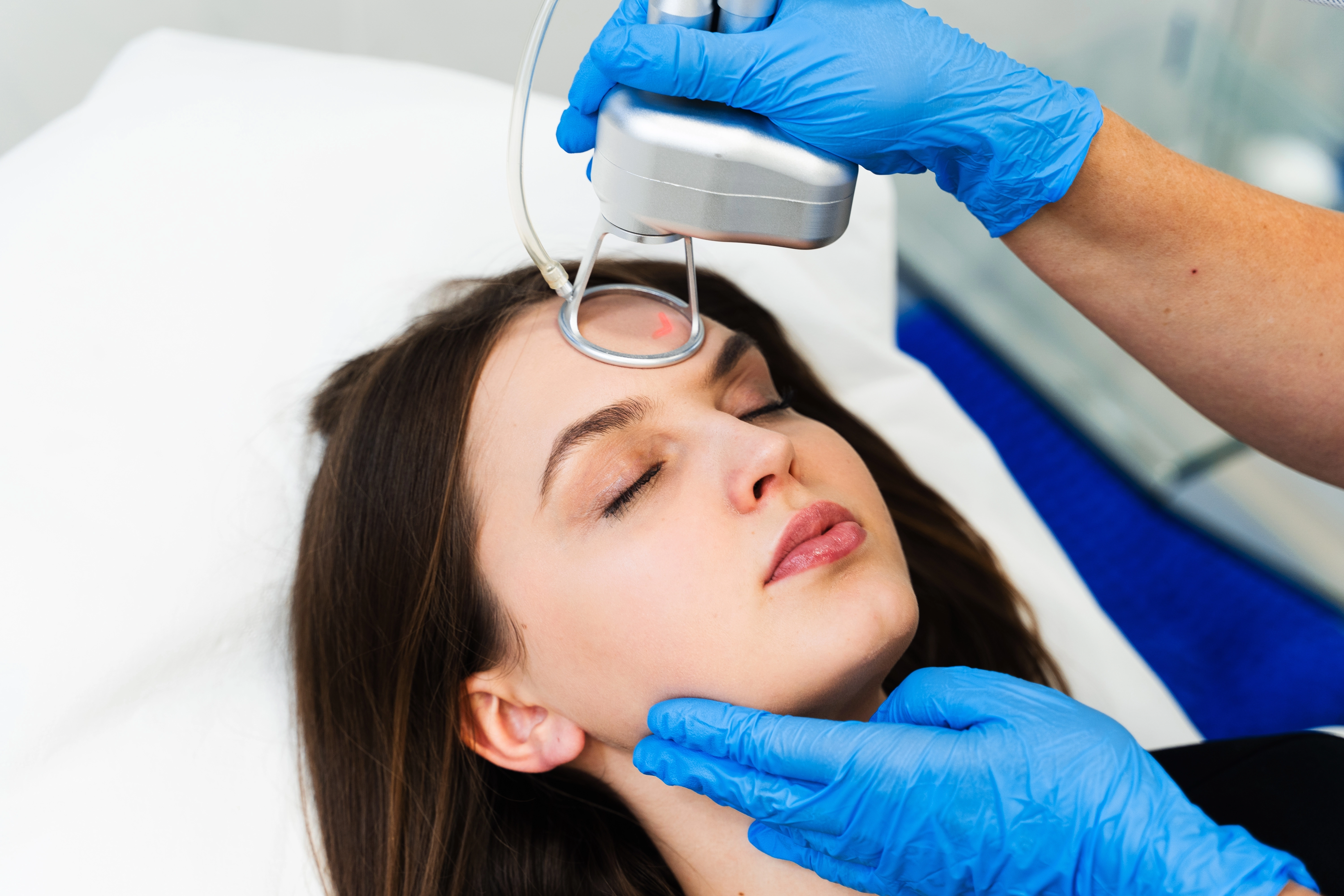
As the skin repairs itself, it produces new collagen and fresh surface cells. This is what softens Fine Lines, improves texture and evens out tone. Recovery is simply the time your body needs to finish that repair.
Right after treatment, the skin usually feels warm and tight, much like a sunburn. It may look red and slightly swollen. With deeper treatments, the skin may ooze clear fluid for the first day or two. This is a normal part of early healing.
Over the next several days, the treated skin dries out, darkens slightly and begins to flake or peel. New pink skin appears underneath. This new skin is delicate and needs gentle care.
Redness lingers because the skin keeps building collagen and new blood vessels long after the surface has healed. The new skin is also thinner at first, so blood flow beneath it is easier to see.
After fractional treatments, pinkness often fades within 2 to 4 weeks. After fully ablative CO₂ resurfacing, pinkness can last 1 to 3 months or longer. This stage is a sign that the skin is still rebuilding.
No two recoveries look exactly alike. Several factors shape how long your skin needs to heal.
The laser type has the biggest effect on downtime. CO₂ lasers reach deeper and create more heat, so they usually need the longest recovery. Erbium lasers remove skin with less heat, which often means shorter healing. Fractional versions of either laser leave bridges of untreated skin, which speeds recovery further.
Treatment depth matters too. A light MicroLaserPeel heals much faster than a deep full-face treatment, even when both use the same type of laser.
The face tends to heal faster than other areas because it has many oil glands and hair follicles that help new skin grow. The neck and chest have fewer of these structures, so healing is often slower. Providers usually use gentler settings on these areas for that reason.
The eyelid area has thin skin, so swelling may look more noticeable there during the first few days after an eCO2 eye treatment.
Patients with medium to deeper skin tones can resurface safely, but their skin may respond to heat with temporary darkening. Providers adjust the laser type and settings to account for this. Strict sun protection during recovery also helps keep tone even.
Age, overall health, smoking, sun exposure and how well you follow aftercare all affect healing. Patients who protect their skin from the sun and follow instructions closely tend to have smoother recoveries. Tell your provider if you have a history of cold sores, since laser treatment around the mouth can trigger a flare.
The timeline below gives general estimates. Your provider will give you a more exact plan based on your treatment.
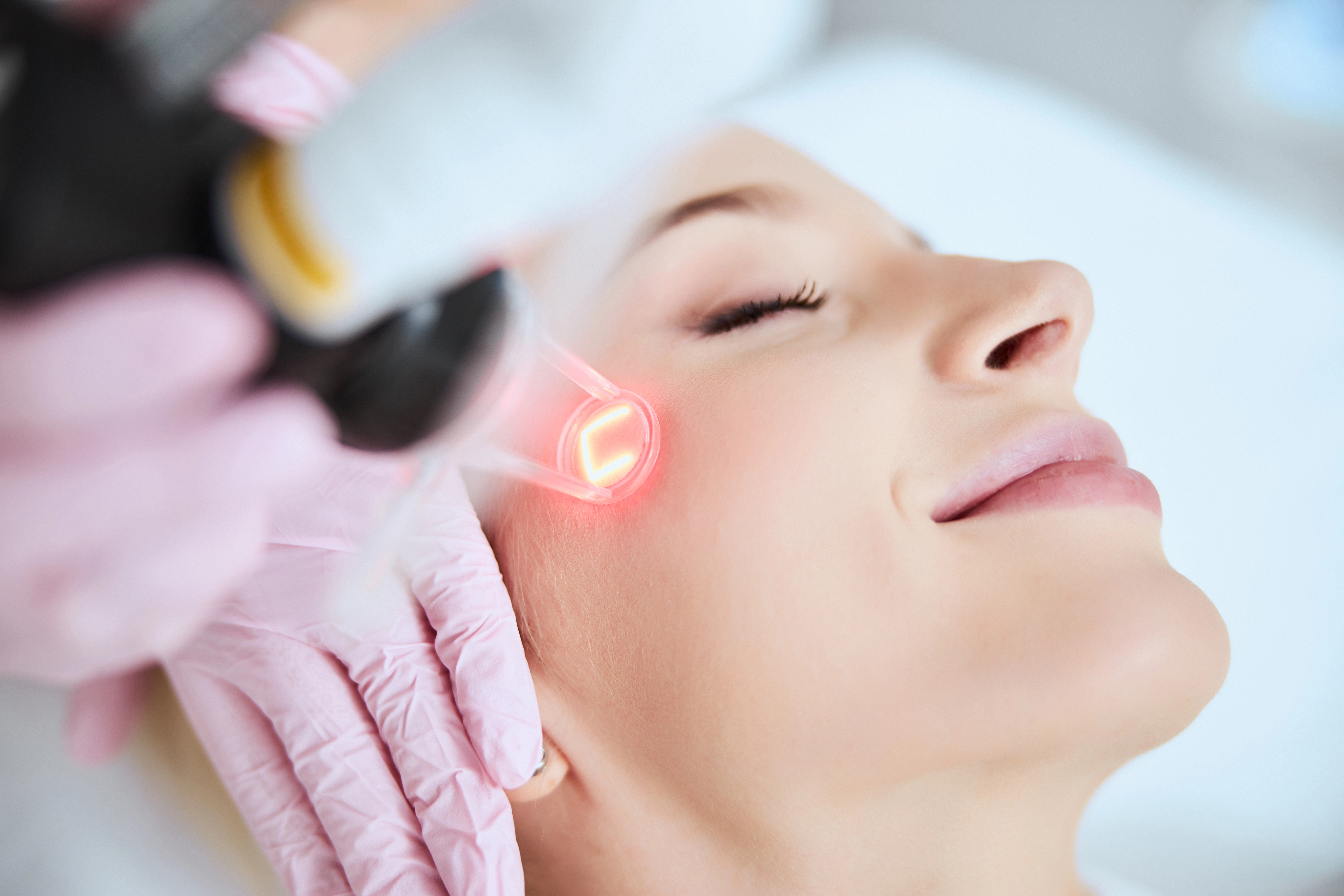
Full-field CO₂ resurfacing treats the entire surface of the skin. New skin usually forms in 7 to 14 days. Most patients plan for about 2 weeks away from social events. Redness may last 1 to 3 months or more.
Fractional CO₂, such as many eCO2 treatments, treats only a portion of the skin at a time. Peeling and crusting usually resolve in 5 to 7 days. Some patients need up to 10 days before they feel ready to return to work. Pinkness often fades over 2 to 4 weeks. You can learn more on our CO₂ Laser.
Erbium treatments range from very light to fairly deep. A light MicroLaserPeel may cause 2 to 4 days of redness and flaking. Medium and deep erbium peels may need 5 to 10 days. Fractional erbium treatments such as ProFractional often have 3 to 5 days of downtime. Erbium Spot Ablation affects only small areas, so healing is localized.
In general, erbium recovery is shorter and redness fades faster. CO₂ recovery takes longer, but the deeper heat can produce more skin tightening. Neither option is right for everyone. The choice depends on your goals, your skin tone and how much downtime you can plan for.
Hybrid treatments such as Halo combine ablative and non-ablative energy. Patients often see 2 to 5 days of redness and a rough, sandpaper feel as the skin renews. Non-ablative options such as LaseMD usually involve only mild redness for a day or two.
Days 1 and 2: Skin feels hot, tight and swollen. Deeper treatments may ooze. Rest, keep the skin moist and follow your aftercare plan closely.
Days 3 to 5: Swelling begins to go down. Skin may turn darker and start to flake or peel. Itching is common. After light erbium or hybrid treatments, many patients are close to presentable by now.
Days 6 to 10: Peeling finishes for most fractional treatments. New pink skin is visible. Many fractional CO₂ patients return to work during this window.
Weeks 2 to 4: Full-field CO₂ patients usually finish peeling. Skin is pink and may feel dry or sensitive. Makeup can often help cover color.
Months 1 to 3: Pinkness fades gradually. Texture and tone keep improving as collagen builds.
Some improvement is visible as soon as the peeling ends. Skin often looks smoother and brighter within the first month. The deeper changes take longer. Collagen keeps forming for 3 to 6 months, and many patients notice continued tightening for up to a year after a deeper treatment.
Knowing what is normal helps you stay calm during recovery. Most changes follow a predictable pattern.
Common, expected changes include:
Redness and warmth, similar to a sunburn
Swelling, often worse in the morning and around the eyes
Clear oozing in the first day or two after deeper treatments
Tiny dark spots or a bronzed look as treated skin dries
Flaking, peeling and itching
Dryness and tightness
Temporary sensitivity to skin care products
Small white bumps called milia sometimes form as the skin heals. These usually clear on their own. Contact our team if something seems unusual or does not improve as expected.
Redness: Highest in the first 2 to 3 days. It fades to pink after the surface heals and may last weeks to months, depending on depth.
Swelling: Peaks around day 2 or 3 and settles within the first week for most treatments.
Peeling: Starts around day 3 and finishes by day 5 to 7 for fractional treatments. Full-field CO₂ peeling can continue for up to 2 weeks.
Good aftercare is one of the few parts of recovery you control. It can shorten healing and protect your results.
Keep skin clean. Wash gently with lukewarm water and the cleanser your provider recommends. Pat dry with a clean towel.
Keep skin moist. Apply the ointment or moisturizer you were given. Dry skin heals more slowly and itches more.
Sleep with your head raised. An extra pillow helps reduce swelling for the first few nights.
Use cool compresses. Gentle cool compresses can ease heat and swelling. Never place ice directly on treated skin.
Protect your skin from the sun. Stay indoors as much as possible during early healing. Once the skin has healed, use a broad-spectrum mineral sunscreen every day.
Drink water and rest. Your body heals more efficiently when it is hydrated and rested.
Picking, scratching or pulling off peeling skin
Retinoids, acids, scrubs and other active products until your provider clears them
Heavy exercise, saunas and hot showers that cause sweating or flushing
Swimming pools and hot tubs
Direct sun exposure and tanning
Makeup before the skin has fully closed
Peeling skin should come off on its own. Pulling it early can expose skin that is not ready and may leave marks.
There is no shortcut, but some habits help. Follow your aftercare plan exactly as written. Avoid alcohol and smoking during recovery, since both can slow healing. Eat balanced meals with enough protein. Plan your treatment around your schedule so you are not tempted to rush back to events or workouts.
Once your skin has healed, gentle treatments such as a HydraFacial may help maintain your results. Ask your provider when it is safe to add other services.
Many patients want to know when they can cover redness. The answer depends on how quickly the surface of your skin closes.
Makeup is safe only after the skin has stopped oozing and peeling is complete. For light erbium and hybrid treatments, this is often around day 3 to 5. For fractional CO₂, it is usually around day 5 to 7. For full-field CO₂, it is often 10 to 14 days. Wait until your provider confirms your skin is ready.
Choose mineral makeup. Mineral formulas are often gentler on healing skin.
Try a green-tinted primer. Green cancels out red tones and helps foundation look more natural.
Use light layers. Thin layers blend better and are easier to remove gently.
Keep tools clean. Use fresh brushes or sponges to lower the chance of irritation.
Remove makeup gently. Avoid rubbing or harsh wipes at the end of the day.
A mineral sunscreen with a light tint can protect your skin and soften redness at the same time.
Recovery from laser skin resurfacing ranges from a few days for light erbium and hybrid treatments to 2 to 3 weeks for full-field CO₂. Pinkness can last longer, and final results develop over several months as collagen builds. The laser type, treatment area, skin tone and your aftercare all shape the timeline. We hope Recovery Time for Laser Skin Resurfacing: What to Expect helps you plan ahead with confidence so your skin can heal well and show its full results.