How Long Does Laser Skin Resurfacing Last?

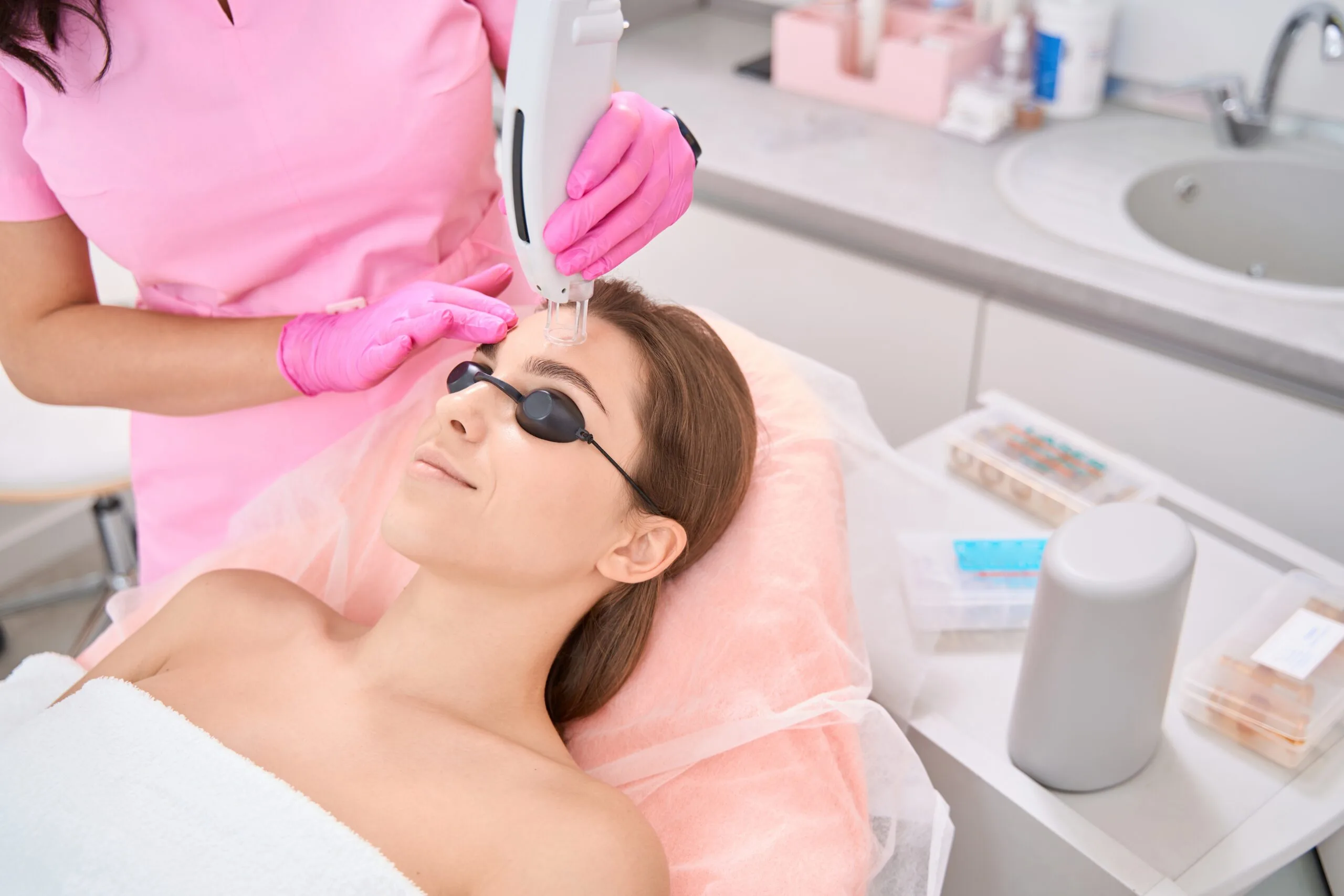
Laser skin resurfacing can dramatically improve skin tone, texture, and firmness. On average, the results of laser skin resurfacing last anywhere from three to five years, depending on the type of laser used, your skincare routine, and overall lifestyle. Some people enjoy benefits that last even longer with proper maintenance and healthy habits.

This cosmetic procedure helps reverse visible signs of aging, such as wrinkles, sun spots, acne scars, and uneven pigmentation. However, because the skin continues to age naturally, maintaining your outcome requires ongoing care. Understanding what affects longevity can help you preserve your smoother, more radiant complexion for years to come.

Understanding Laser Skin Resurfacing Treatments

Weight loss injections are prescription medications administered via injection to support individuals in losing weight. These treatments are typically recommended for those who have struggled to achieve significant weight loss through diet and exercise alone, or who have medical conditions related to obesity. They function by influencing appetite, metabolism, or the absorption of fat in the body.
  • Ablative lasers work by vaporizing the outer layers of the skin, which encourages deep collagen remodeling and regeneration. This method provides dramatic results but requires more downtime for recovery.
  • Non-ablative lasers, on the other hand, heat the underlying skin tissue without removing layers, promoting gradual improvement with minimal recovery time.
Both approaches can produce excellent, long-lasting outcomes when properly performed and maintained.

Factors That Influence Laser Skin Resurfacing Results

Several factors determine how long the results of laser skin resurfacing last. The first is the type of laser used. Ablative lasers typically provide longer-lasting results because they stimulate more profound collagen renewal. Non-ablative lasers may require more sessions but are gentler on the skin, making them suitable for maintenance and prevention.
Your age, skin type, and lifestyle also play important roles. For instance, younger patients or those with good skin elasticity often see longer-lasting results. People who avoid excessive sun exposure and practice consistent skincare routines tend to maintain improvements for several years. Conversely, smoking, neglecting sunscreen, or poor skincare habits can cause results to fade more quickly.

The Role of Collagen Growth in Lasting Results

Collagen growth is one of the most significant benefits of laser resurfacing. Collagen is a protein that provides the skin with firmness and elasticity. As we age, collagen production slows down, leading to wrinkles and sagging. Laser treatments help reverse this decline by stimulating the body’s natural healing process to generate new collagen fibers.
This collagen growth continues for months after the procedure, meaning your skin can keep improving long after the initial recovery period. The stronger and more structured the collagen network becomes, the longer the skin maintains its rejuvenated appearance. Maintaining high collagen levels through proper skincare and nutrition can further extend your results.

Ablative Lasers vs. Non-Ablative Lasers

Ablative lasers are more aggressive but yield the most dramatic, long-term results. They include CO₂ and Erbium lasers, which remove damaged skin layers to trigger deeper healing. After recovery, the skin looks smoother, tighter, and more even in tone. The effects of ablative laser resurfacing can last up to five years or more, especially when combined with good skincare habits.
Non-ablative lasers, such as fractional or Nd:YAG systems, work beneath the surface without significant peeling or downtime. Their results appear gradually and often last 2 to 3 years before touch-up sessions are needed. The choice between these two options depends on your goals, tolerance for downtime, and the skin concerns you want to address.

How Many Treatments Are Needed for Best Results?

When considering how many treatments are needed, it’s important to know that this depends on the type of laser and the condition of your skin.
  • Ablative lasers typically require just one treatment for substantial improvement, although some patients benefit from a second session for deeper lines or scars.
  • Non-ablative lasers often require a series of three to six treatments spaced several weeks apart to achieve similar outcomes.
Your provider will customize the treatment plan based on your skin type, desired results, and tolerance for recovery time. Maintenance sessions every year or two can help prolong the benefits, especially if your skin is exposed to environmental stressors like sunlight or pollution.

Supporting Long-Term Results with a Healthy Diet and Lifestyle

Maintaining a healthy diet is one of the simplest and most effective ways to support your skin after laser resurfacing. Nutrients like vitamin C, omega-3 fatty acids, and antioxidants promote collagen synthesis and protect against free radical damage. Staying hydrated, limiting alcohol intake, and avoiding smoking also enhance the longevity of your results.
A consistent skincare routine that includes a gentle cleanser, moisturizer, and sunscreen is essential. Daily sunscreen with SPF 30 or higher helps protect your renewed skin from UV damage, one of the leading causes of premature aging. Regular use of products containing retinol or peptides can also support collagen renewal and maintain smoother, firmer skin.

Combining Laser Skin Resurfacing with Other Cosmetic Treatments

Laser skin resurfacing can be combined with other cosmetic treatments to extend and enhance your results. Popular combinations include dermal fillers, microneedling, and chemical peels. These treatments address different layers of the skin or facial volume, creating a more comprehensive rejuvenation.
For example, after laser resurfacing improves skin texture and tone, fillers can restore lost volume in the cheeks or lips for a balanced, youthful appearance. Many providers recommend alternating between these treatments every few months to maintain consistent improvement without over-treating the skin.

The Importance of Aftercare

Your post-procedure care significantly influences how long the results last. After laser skin resurfacing, follow your provider’s instructions closely to ensure proper healing. This includes keeping the treated area clean, avoiding sun exposure, and using recommended healing ointments or serums.
During recovery, it’s crucial to avoid picking or scratching the skin, as this can cause scarring or hyperpigmentation. Once healing is complete, continue using gentle, hydrating products and sunscreen daily. Consistent aftercare not only helps the skin heal faster but also maximizes the longevity of your results.

Conclusion: How Long Do Laser Resurfacing Treatments Last?

Laser skin resurfacing works by using concentrated laser energy to remove damaged layers of skin and stimulate the growth of new skin cells, leading to smoother, healthier, and more youthful-looking skin. Whether through ablative laser treatments or non-ablative options, this advanced technology effectively addresses a wide range of skin conditions, including deep wrinkles, sun-damaged skin, sagging skin, and skin laxity. By promoting cellular renewal and ensuring that collagen production increases, the treated skin becomes firmer and more resilient over time.

While some people see dramatic results after a single treatment, others may benefit from multiple treatments depending on their medical history, treatment area, and the specific laser systems used. Laser skin resurfacing treats many issues, from fine lines and texture irregularities to pigment changes, and it can even be paired with intense pulsed light or a laser peel for enhanced outcomes. However, it is not recommended for those with active acne, as this could interfere with healing.
To preserve results and prevent visible aging from returning, it’s crucial to protect the skin daily with a broad-spectrum sunscreen that shields against harmful UV rays. With careful aftercare and consistent protection, laser resurfacing can rejuvenate and refine the complexion, revealing smoother, clearer, and younger-looking skin that lasts.

About the Author

Pat S. Hamalis, Medspa Manager
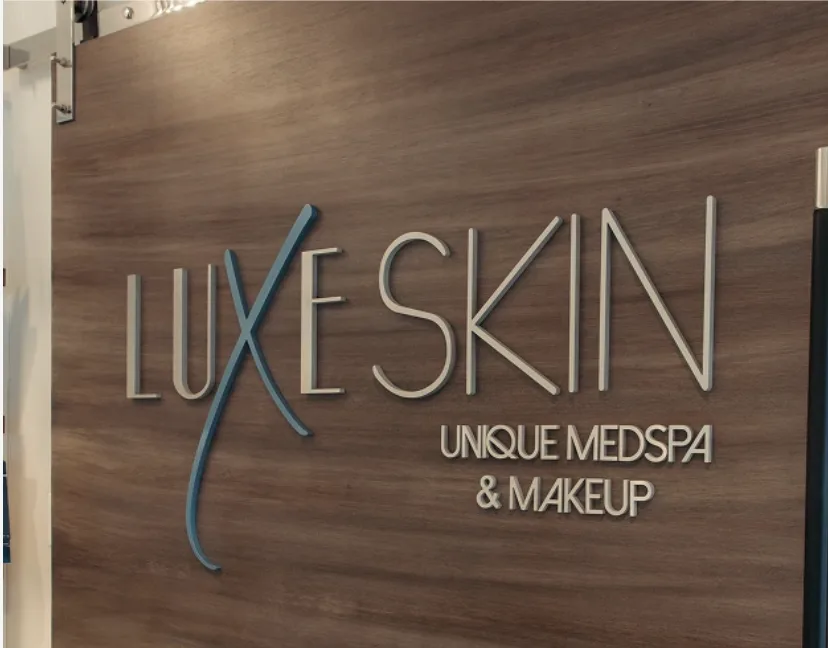
Pat is a nurse practitioner with full practice authority, a certified aesthetic injector, and professional artist with over 25 years of nursing, research, teaching, and wellness/health promotion experience.

About the Author

LuxeSkin Med Spa

LuxeSkin Med Spa was created for individuals who appreciate luxury, precision, and highly personalized care. Our boutique space offers a discreet, high-end environment with private parking for convenience, ensuring that every visit is stress-free, comfortable, and tailored to your needs.

Refined Beauty
Begins Here
LuxeSkin Med Spa

November 5, 2025