
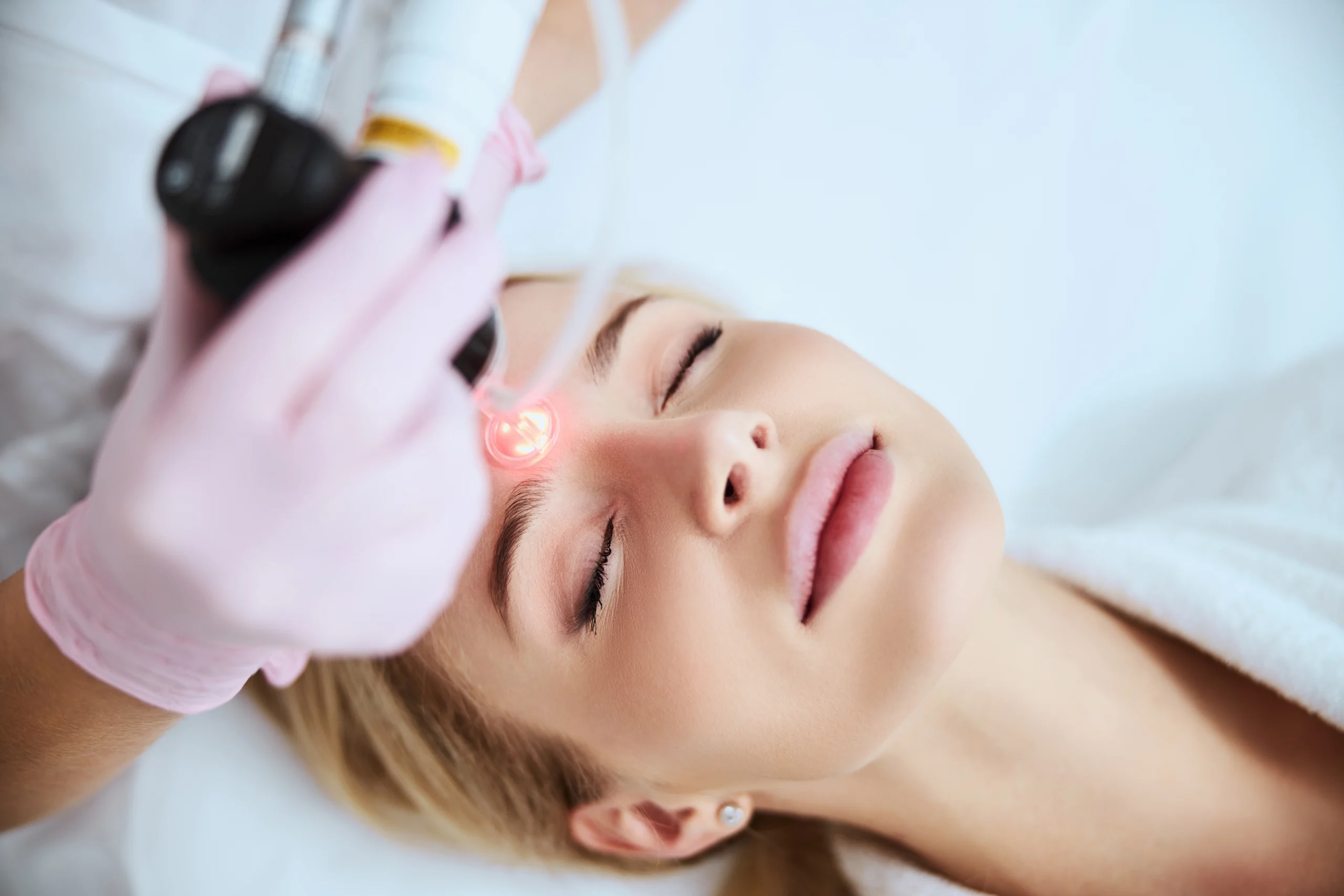
Does Laser Skin Resurfacing Hurt? Banner

Does Laser Skin Resurfacing Hurt?

Laser skin resurfacing has become one of the most popular ways to rejuvenate the skin, reduce wrinkles, and treat scars without surgery. However, one of the first questions many people have before scheduling a session is whether it hurts. The short answer is that laser skin resurfacing is not considered painful, but some discomfort or heat sensation can occur during and shortly after the procedure. Thanks to modern techniques, topical anesthetics, and cooling systems, most patients find the experience very tolerable.

Everyone’s pain threshold is different, but providers adjust laser intensity and numbing methods to keep you comfortable throughout the process. Understanding what to expect and how recovery feels can help you feel confident before starting treatment.

Understanding How Laser Skin Resurfacing Works

Laser skin resurfacing uses focused beams of light to target and remove damaged layers of skin, encouraging the body’s natural healing process and collagen production. This process helps smooth fine lines, minimize scars, fade pigmentation, and improve overall texture and tone.

There are two main categories of lasers used for resurfacing: ablative and non-ablative. Ablative lasers remove the outermost layer of the skin to trigger regeneration, while non-ablative lasers heat deeper layers without damaging the surface. Both methods promote collagen remodeling, giving skin a tighter, more youthful appearance over time.
While the technology may sound intense, laser treatments today are designed with patient comfort in mind. Many devices include integrated cooling mechanisms that protect the skin and reduce discomfort during each pulse of light.

What to Expect During Ablative Laser Resurfacing

Ablative laser resurfacing delivers dramatic results by removing the top layer of skin, which makes it ideal for treating deeper wrinkles, acne scars, and significant sun damage. Since it is more aggressive than non-ablative treatments, it typically involves more downtime and a more noticeable sensation after the procedure.
Before treatment, your provider applies a topical anesthetic cream and, in some cases, a local anesthetic injection or a mild sedative to provide added comfort. Once the skin is numb, the laser passes over the target area, delivering precise bursts of light energy. Most people describe the feeling as a series of warm tingling or snapping sensations rather than sharp pain.
After the session, it is normal to experience redness, swelling, and a mild sunburn-like feeling for several days. The intensity of these sensations depends on how deeply the laser penetrates and your individual skin sensitivity. Following your provider’s aftercare instructions, such as keeping the skin moisturized and avoiding sun exposure, helps ensure a smoother recovery and lasting results.

The Comfort of Fractional Laser Resurfacing

Fractional laser resurfacing is a more advanced technique that treats only small “fractions” of the skin at a time, leaving surrounding tissue untouched. This design speeds up healing and significantly reduces discomfort compared to fully ablative procedures.

During fractional treatment, most patients report feeling warmth or a prickling sensation, but the numbing cream used beforehand greatly minimizes this. The device also includes a cooling feature that blows chilled air onto the skin during each pulse, making the process even more comfortable.
The recovery period is shorter than with fully ablative methods. Mild redness and flaking can occur for a few days, but many people can resume daily activities within 24 to 48 hours. Because fractional lasers balance power and comfort, they are often the preferred choice for patients who want noticeable results without a long recovery.

Comparing Laser Treatments and Other Cosmetic Services

When deciding whether to pursue laser resurfacing, it helps to understand how it compares to other cosmetic services. Treatments like chemical peels, microdermabrasion, and microneedling also improve skin tone and texture, but they typically work at shallower levels or require multiple sessions for visible change.
Laser resurfacing, in contrast, can reach deeper layers of skin and stimulate more collagen remodeling with fewer sessions. The results are also longer-lasting. Some providers combine lasers with other cosmetic treatments to achieve the best outcomes, such as using lasers for resurfacing and fillers for volume restoration.
In terms of comfort, most non-laser treatments are mildly irritating but not painful. Laser therapy sits in the middle of the comfort spectrum. However, it is far less uncomfortable than traditional cosmetic surgery. The degree of sensation depends largely on the type of laser, the treatment area, and your provider’s pain-control techniques.

How Many Treatments Do You Need for Best Results?

One of the most common questions patients ask is how many treatments are required to achieve optimal results. This depends on several factors, including your skin type, the severity of the condition being treated, and the type of laser used.
Ablative laser resurfacing usually delivers noticeable improvement after just one session, since it removes a full layer of damaged skin. However, because it is more intensive, recovery takes longer. Fractional and non-ablative lasers may require three to six sessions spaced several weeks apart to achieve similar results, but they involve less downtime and discomfort between visits.
Your provider will recommend a personalized treatment plan based on your goals and skin condition. Maintenance sessions every year or two can help prolong the rejuvenating effects.

Managing Discomfort Before, During, and After Treatment

Med spas use several methods to minimize discomfort during laser resurfacing. Before treatment, a topical numbing cream is applied to desensitize the skin. For deeper treatments, local anesthesia or oral medication can be offered. Cooling devices, chilled air, or cold compresses are also used during the session to maintain comfort.
After treatment, most patients experience warmth, redness, and mild swelling that fade within a few days. Applying a gentle moisturizer and using cold packs can soothe the skin. Over-the-counter pain relievers are typically sufficient if mild discomfort persists.
Avoiding sun exposure and using broad-spectrum sunscreen are essential during recovery, as freshly treated skin is more sensitive to UV rays. Following your provider’s aftercare guidelines not only helps the skin heal comfortably but also ensures better, longer-lasting results.

When Laser Skin Resurfacing May Feel More Sensitive

Although most patients describe the procedure as tolerable, certain factors can increase skin sensitivity. Treatments in areas with thinner skin, such as the eyes or lips, may feel more intense. If you have very fair skin, a history of cold sores, or a lower pain threshold, discuss these details with your provider in advance. They can adjust the laser strength, apply additional numbing, or recommend pre-treatment antiviral medication if necessary.
Similarly, undergoing laser resurfacing soon after a strong chemical peel or sunburn is not recommended, as it can increase irritation. A professional consultation ensures your skin is in the proper condition to tolerate treatment comfortably and safely.

Why Comfort and Safety Depend on Your Provider

Choosing an experienced provider is one of the most important steps to ensure both safety and comfort during laser resurfacing. Qualified professionals understand how to customize laser intensity for your skin type, properly apply anesthetics, and use advanced cooling systems effectively. They also monitor your response throughout the procedure and adjust as needed to minimize discomfort.

Reputable med spas also provide detailed pre- and post-care instructions to help your skin heal efficiently. Always seek treatment from a medical professional specializing in laser treatments, rather than a general aesthetic technician. This expertise ensures not only a comfortable experience but also the best possible aesthetic outcome.

Conclusion: Does Laser Skin Resurfacing Hurt?

Laser skin resurfacing is generally well-tolerated. This procedure has evolved into one of the most effective and customizable treatments for restoring a smoother, brighter complexion. Whether you choose erbium laser resurfacing, non-ablative laser resurfacing, or other modern techniques like intense pulsed light, these procedures are designed to renew and repair sun-damaged skin with minimal discomfort. The controlled energy delivered by these systems stimulates the production of new skin cells while encouraging collagen remodeling to tighten skin and reduce skin laxity.
As the treated areas heal, normal skin gradually replaces the old, uneven surface, leading to noticeable skin rejuvenation and improvement in tone and texture. Common concerns such as age spots, fine lines, and sagging skin respond well to this controlled regeneration process. While mild redness or post-inflammatory hyperpigmentation can occur temporarily, proper aftercare ensures a smooth recovery.
By carefully protecting the surrounding skin and promoting deep tissue renewal, laser resurfacing remains a safe and effective option for anyone seeking to refresh their complexion and restore youthful radiance. For patients looking to reverse years of damage or simply enhance their skin’s vitality, today’s laser technologies offer a precise, comfortable, and proven path toward lasting confidence.

About the Author

Pat S. Hamalis, Medspa Manager
Pat is a nurse practitioner with full practice authority, a certified aesthetic injector, and professional artist with over 25 years of nursing, research, teaching, and wellness/health promotion experience.

About the Author

LuxeSkin Med Spa

LuxeSkin Med Spa was created for individuals who appreciate luxury, precision, and highly personalized care. Our boutique space offers a discreet, high-end environment with private parking for convenience, ensuring that every visit is stress-free, comfortable, and tailored to your needs.

Refined Beauty
Begins Here
LuxeSkin Med Spa

October 31, 2025