
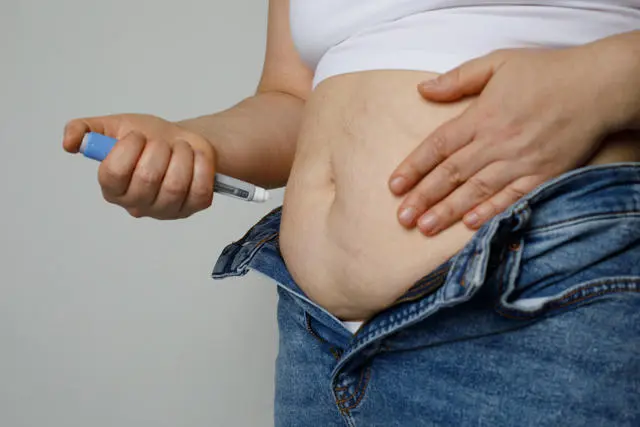
What Is a GLP-1 Medication?
Most weight-loss injections currently available belong to a class of drugs called GLP-1 receptor agonists. GLP-1, or glucagon-like peptide-1, is a hormone your gut naturally releases after eating. It signals to your brain that you’re full and tells your pancreas to release insulin. GLP-1 medications mimic this hormone, amplifying those signals to reduce hunger and stabilize blood sugar levels.
This class of medication has been studied for over two decades in the context of type 2 diabetes, and its weight loss applications have grown rapidly over the past several years.
Semaglutide (Wegovy): The Pioneer
Semaglutide (Wegovy) was among the first GLP-1 medications approved specifically for chronic weight management in adults. Administered as a once-weekly injection, it works by suppressing appetite and slowing digestion. Clinical trials showed participants lost an average of around 15% of their body weight over 68 weeks when combined with lifestyle support.
Common side effects include nausea, constipation, and fatigue, particularly in the early weeks as your body adjusts to the medication. These typically ease over time. Semaglutide is also sold as Ozempic, but that formulation is approved for type 2 diabetes. Wegovy is the version dosed specifically for weight loss.
Tirzepatide (Zepbound): The Newer Contender
Tirzepatide (Zepbound) is a more recent addition to the injectable weight loss market and represents a meaningful step forward in efficacy for many patients. Unlike semaglutide, tirzepatide acts on two hormones – GLP-1 and GIP (glucose-dependent insulinotropic polypeptide) – making it a dual agonist. Clinical trials have shown average weight loss of up to 20–22% of body weight, making it one of the most effective options currently available.
It’s also administered once weekly and has a similar side-effect profile to semaglutide. For patients who didn’t respond well to semaglutide or who need more aggressive results, tirzepatide may be worth discussing with a doctor.
How These Injections Help You Lose Weight
Weight-loss injections primarily work by targeting hormones that regulate hunger, blood sugar, and digestion. Most of the medications in this category mimic naturally occurring hormones to slow gastric emptying, reduce appetite, and improve insulin sensitivity. The result is that you feel fuller for longer, eat less without feeling deprived, and your body becomes more efficient at managing blood sugar.
Clinical trials have shown that people using these medications can lose anywhere from 10% to over 20% of their body weight over the course of a year. These results are significantly higher than what diet alone typically achieves. That said, injections are a tool, not a cure.
Obesity or Overweight?
Before anything else, it’s worth understanding whether you qualify medically for a prescription weight-loss injection. Most of these medications are indicated for adults who have obesity or are overweight with at least one weight-related health condition, such as type 2 diabetes, high blood pressure, or high cholesterol.
Qualification typically looks like this:
A Body Mass Index (BMI) of 30 or higher (classified as obesity)
A BMI of 27 or higher with at least one weight-related condition
A documented history of struggling with weight management through diet and lifestyle alone
If you’re close to these thresholds, speak with your doctor. BMI is imperfect, and many providers also consider waist circumference, metabolic markers, and personal health history when making recommendations.
Partnering with Your Healthcare Provider
No weight-loss injection program should begin without a thorough conversation with a qualified healthcare provider. Your doctor will review your complete medical history, current medications, and lab results to determine which injection – if any – is appropriate for you. They’ll also monitor your progress over time, adjusting dosages as needed and watching for any side effects.
Be honest during these conversations. Mention any history of thyroid cancer, pancreatitis, kidney disease, or gastrointestinal conditions, as some medications carry specific warnings for these populations. A good provider will also help you build a broader plan, not just hand you a prescription.
Considering a New Weight-Loss Drug
The injectable weight loss space is evolving quickly. Researchers are currently studying several next-generation compounds, including triple-hormone agonists that target GLP-1, GIP, and glucagon simultaneously. If you’ve heard about a new weight-loss drug on the news or social media, ask your provider whether it’s been approved, what the trial data shows, and whether it might be appropriate for you. Don’t make decisions based on headlines alone – early data and real-world performance often tell different stories.
Why FDA-Approved Status Matters
How Weight Loss Drugs Get Approved by the FDA
The Role of Diet and Exercise
Injections are not a substitute for healthier habits. Every clinical trial for these medications was conducted alongside a reduced-calorie diet and exercise program ~ and the results reflect that combination. On their own, injections reduce hunger and improve metabolic conditions, but patients who pair medication with regular physical activity and mindful eating tend to see better results and maintain them longer.
Even modest increases in movement, such as 30 minutes of walking most days, can significantly improve outcomes when combined with medication.
The Importance of Lifestyle Changes
Sustainable weight loss requires lifestyle changes that go beyond the injection itself. Many people find that the reduced appetite these medications bring is a window of opportunity to build new habits: cooking at home more often, developing a consistent sleep schedule, managing stress better, and building an active routine. When the medication is eventually tapered or discontinued, those habits become the foundation that prevents weight regain.
Think of the injection program as a scaffold, not a permanent solution.
Understanding Your Insurance Coverage
Cost is a real barrier for many people. Without insurance coverage, monthly costs for brand-name weight-loss injections can range from $900 to $1,400. Coverage varies dramatically depending on your plan. Medicare currently does not cover these medications for weight loss alone, though this may change. Many private insurers cover them with prior authorization if you meet BMI and comorbidity criteria.
A few tips for navigating costs:
Ask your provider to submit a prior authorization request on your behalf
Check manufacturer savings programs (both Novo Nordisk and Eli Lilly offer patient assistance options)
Ask whether a compounded version may be a short-term alternative during shortages (though always verify quality)
Talk to your HR department about whether your employer’s plan covers obesity medications
Book Your Weight-Loss Consultation at LuxeSkin Med Spa
If you’re ready to lose excess body weight and take control of your metabolic health, LuxeSkin Med Spa is here to guide you every step of the way. Our healthcare professionals specialize in clinically proven injectable treatments, including semaglutide and tirzepatide, which work by mimicking your body’s natural hormones to trigger decreased appetite, promote fat loss, and support healthier body composition. These medications are particularly effective for adults with obesity who are also managing related conditions, such as elevated cardiovascular risk or high blood pressure, helping patients achieve meaningful results that go far beyond the scale.
During your consultation, our team will review your full health history, including any concerns like abdominal pain or existing gastrointestinal conditions, to ensure the program we recommend is safe and tailored specifically to you. We’ll also build a supportive plan around healthy eating and sustainable habits, because medication works best as part of a broader lifestyle approach. Whether your goal is to lower blood pressure, improve your overall metabolic health, or simply feel better in your body, we’re ready to help you get there.
Final Thoughts on the Best Weight-Loss Injections
Choosing the right program to treat obesity is one of the most meaningful steps you can take toward long-term health, but it’s not a decision to make lightly. Weight-loss medications have come a long way, and clinical studies continue to expand what we know about how they help regulate appetite, improve blood sugar control, and reduce the risk of major cardiovascular events. Many of these medications work by targeting hunger hormones that influence how your body stores fat and responds to food, and they’ve shown strong results not just for weight reduction but for conditions like cardiovascular disease, obstructive sleep apnea, and even metabolic dysfunction-associated steatohepatitis.
Before starting any program, be transparent with your primary care provider about your personal or family history, including any history of medullary thyroid cancer, as this affects which medications are safe for you. Your doctor will also want to understand your full list of prescription medications to avoid interactions and will work with you to find the maximum tolerated dose that delivers results while keeping side effects manageable.
It’s equally important to go in with realistic expectations about the process. Common adverse reactions like stomach pain and nausea are frequently reported, particularly in the early stages, and your provider will monitor your progress and side effects closely over time. Some patients do well with oral medications or a pill form option, while others require injectables for more significant results – your doctor will help you decide.
Weight gain can return if healthy habits aren’t maintained alongside treatment, which is why balanced nutrition and a healthy diet remain central to any effective plan. Weight-related medical problems often improve significantly as the medication takes effect, but the lifestyle foundation you build is what makes those results last. Finally, review your insurance plans carefully, as coverage for these therapies varies widely, and understanding your benefits early can save you significant stress down the road.

About the Author
Pat S. Hamalis, Medspa Manager

About the Author
LuxeSkin Med Spa
LuxeSkin Med Spa was created for individuals who appreciate luxury, precision, and highly personalized care. Our boutique space offers a discreet, high-end environment with private parking for convenience, ensuring that every visit is stress-free, comfortable, and tailored to your needs.
Begins Here
February 26, 2026